Last updated November 23, 2026
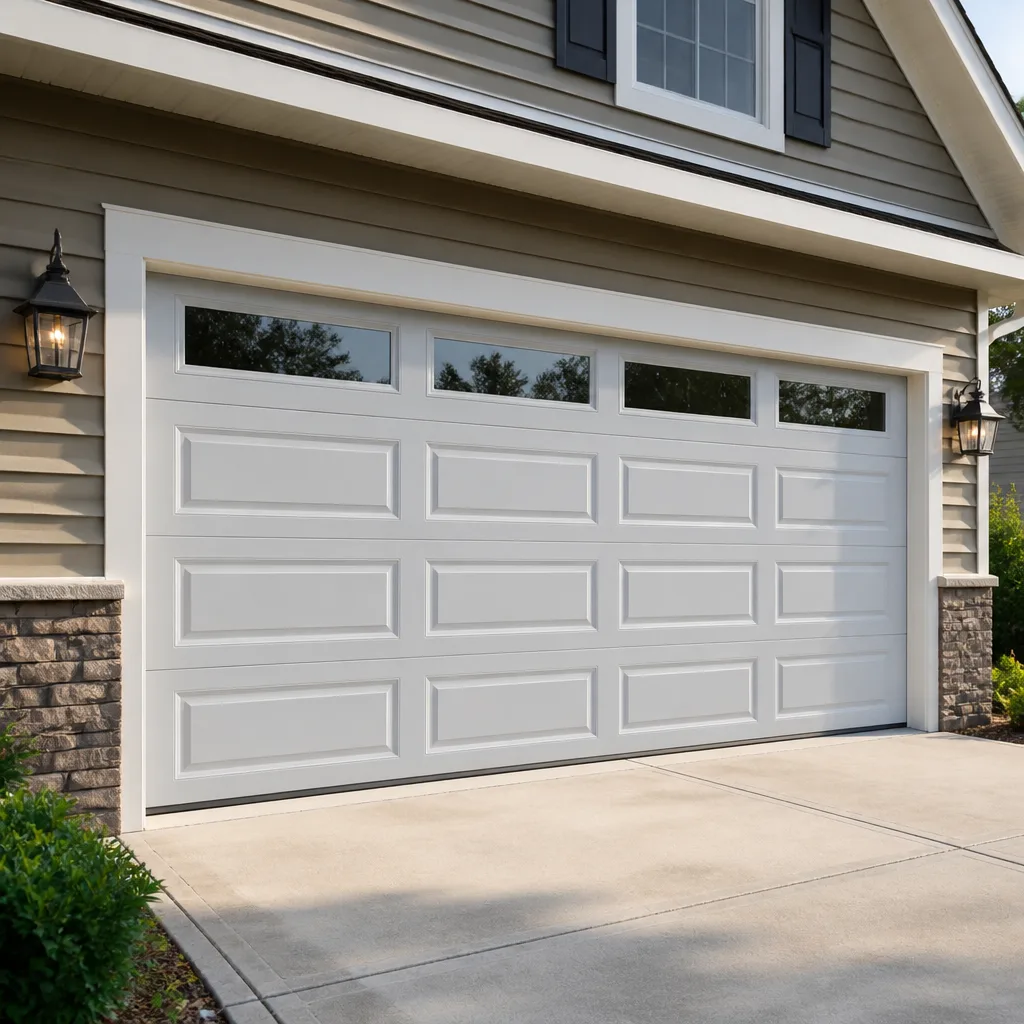 Raised-panel steel
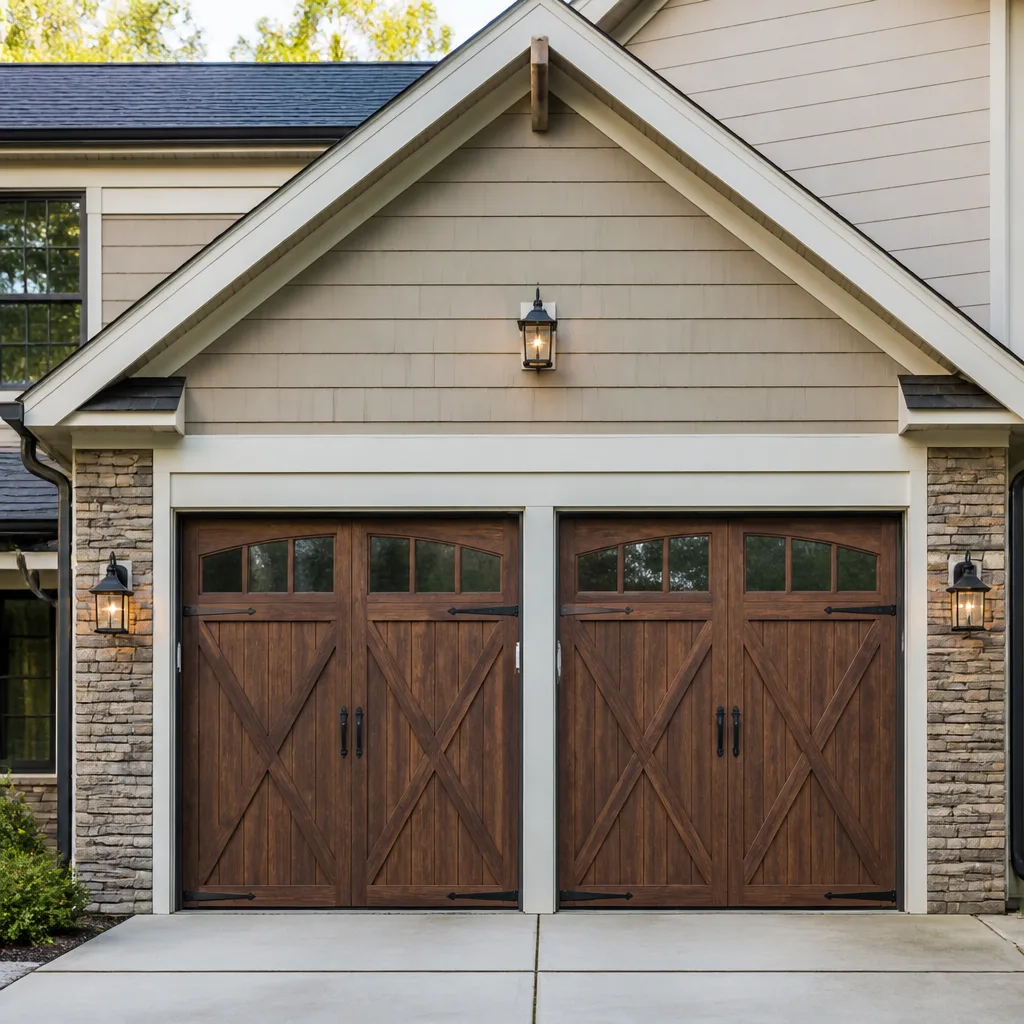 Carriage house
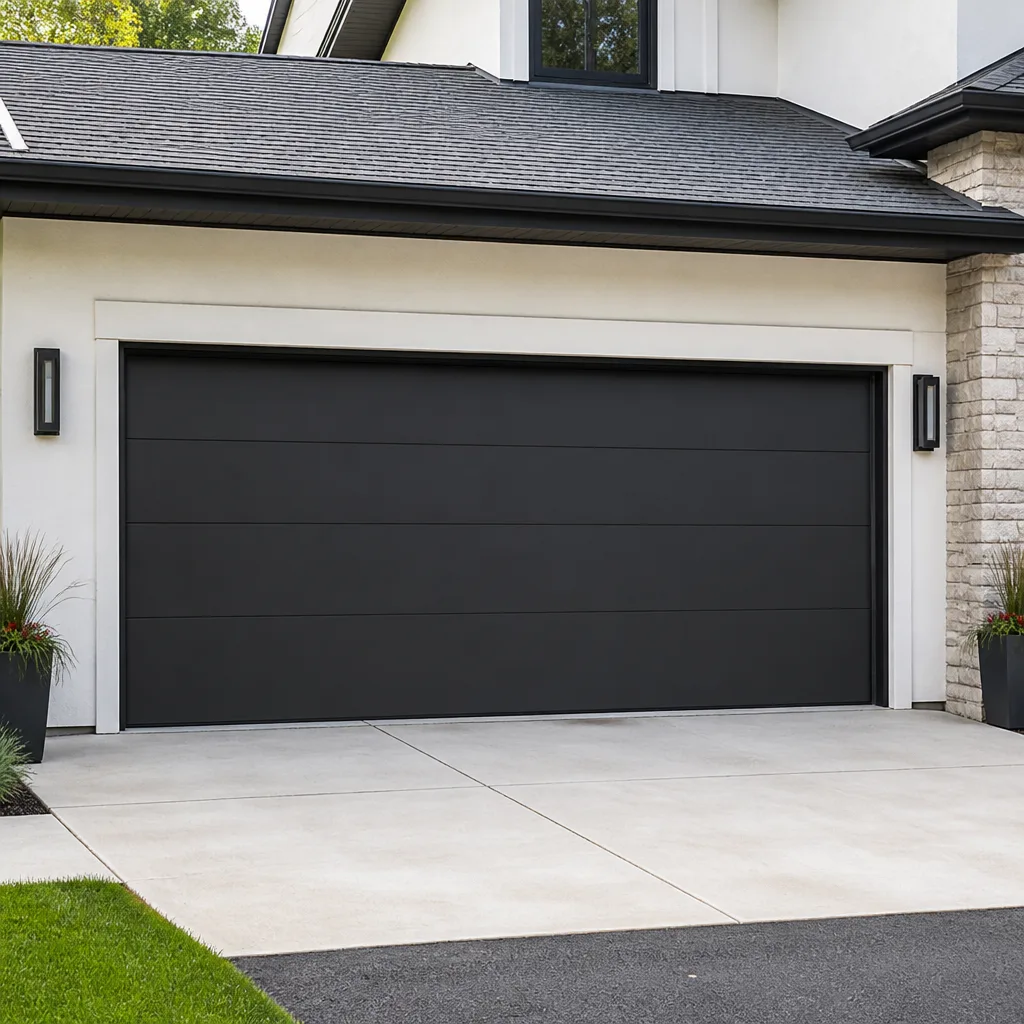 Modern flush
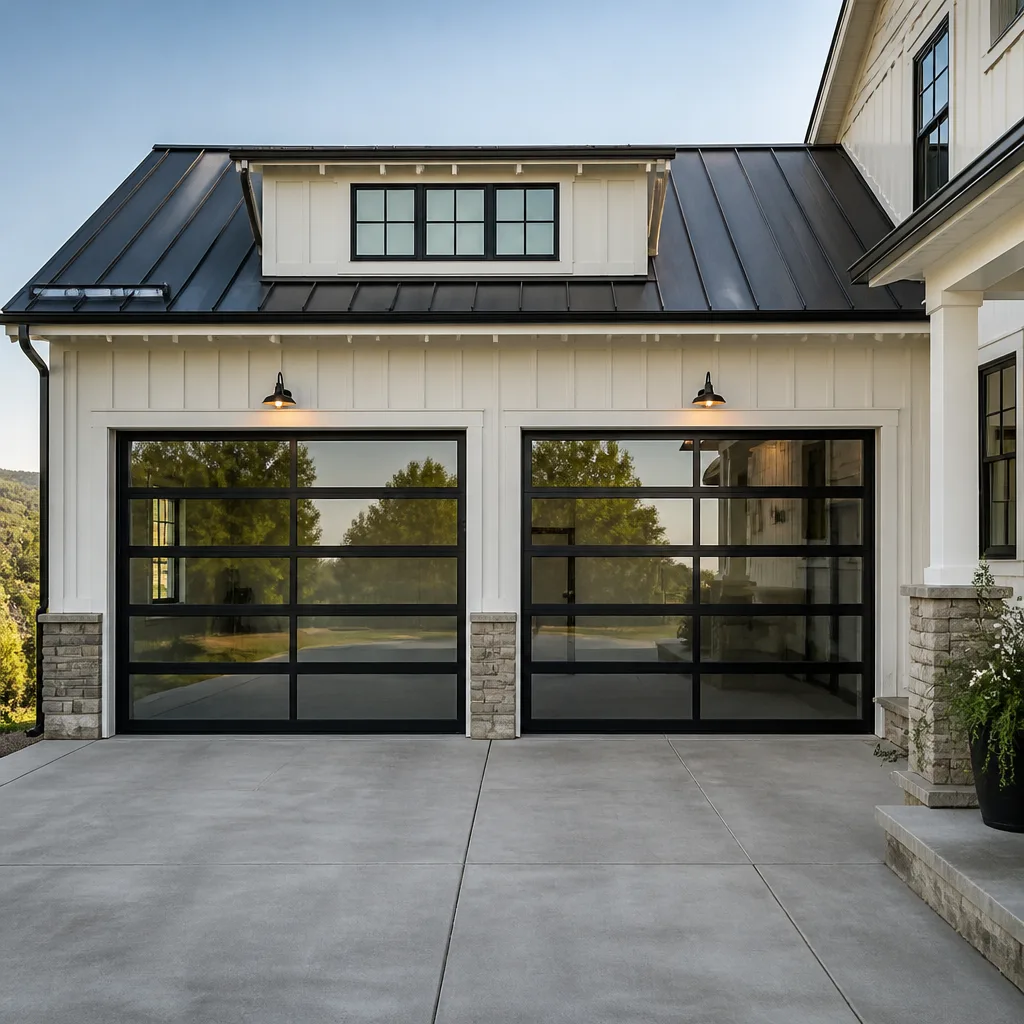 Full-view glass
 LiftMaster openers
 Chamberlain openers
Full 25-point door and opener safety check with every visit - springs, cables, rollers, tracks, and your LiftMaster or Chamberlain opener included
You get a price before we start. It does not change when the pro arrives.
Get your free estimateSeasonal Garage Door Care for Commerce City: Year-Round Homeowner’s Guide
Most seasonal garage door guides are written for a generic climate and then stamped with a city name. That’s a problem here. Commerce City averages around 300 days of sunshine a year and still gets spring wind gusts over 50 mph, and that pairing does things to a garage door that a “check your springs in spring” checklist won’t catch. UV at this elevation bleaches and stress-cracks panels faster than in most Front Range cities, while the freeze-thaw cycle works the torsion spring metal from the inside. Below we walk through what actually happens to your door month by month in Commerce City, what to check after a High Wind Warning, and the one test that tells you whether your track alignment shifted. You’ll finish knowing what you can safely handle and what should go to a technician.
Quick Answer
Seasonal garage door care in Commerce City means matching maintenance to the climate calendar, not the calendar on the wall: inspect and lubricate the door in early spring before the freeze-thaw season ends, watch panels and seals for UV damage through summer, lubricate and reseal before the first freeze in fall, and treat rapid winter temperature swings as a trigger for a professional spring and opener check. After any High Wind Warning, do a visual inspection and a balance test before you run the door again. Anything involving springs, cables, or the torsion assembly is a job for a trained technician, not a weekend project.
Styles & brands we work with
- Raised-panel steel
- Carriage house
- Modern flush
- Full-view glass
- LiftMaster openers
- Chamberlain openers
Table of Contents
- Spring: Why Post-Winter Is the Highest-Risk Season for Spring Failure
- Summer: How UV at Commerce City’s Elevation Ages Steel, Wood, and Fiberglass Panels
- Fall: The Pre-Freeze Lubrication and Weatherstripping Tasks That Prevent Winter Call-Outs
- Winter: What Rapid Temperature Swings Do to Spring Tension and Opener Torque
- After a High Wind Warning: What to Check and the One Test That Tells You if Your Track Moved
- Matching Care to Your Door and Opener Brand
- Repair or Replace? Reading the Seasonal Wear
- Common Mistakes to Avoid
- When to Call a Professional
- Frequently Asked Questions
Spring: Why Post-Winter Is the Highest-Risk Season for Spring Failure
Late winter and early spring are when torsion springs fail most often in Commerce City, and it has less to do with the cold than with the thaw. A torsion spring is a coiled steel component held under constant tension. Through the winter it cycles between cold, dry air and the warmer, wetter afternoons that show up on the Front Range when a Chinook rolls in. That freeze-thaw pattern expands and contracts the metal, and the repeated stress works on the same small section of the coil. By the time the last hard freeze passes, that section has taken thousands of tiny cycles. It’s the metal fatigue that snaps a spring on a mild March morning, not the coldest night of the year.
That’s why we treat spring inspection as the single most important seasonal task of the year here. It’s also the one task to leave alone. A torsion spring under tension carries enough stored energy to cause a serious injury if it’s released incorrectly. A trained technician sets the door, uses the right winding bars, and knows how to read a spring for the stress-cracking that isn’t visible from the floor. Our technicians have up to 15 years of experience with this component specifically, and we handle it as a dedicated specialty rather than a general repair.
What to schedule in early spring
- Spring inspection. Have a technician check both torsion springs for gaps, stress cracks, and even coil spacing. A matched pair usually keeps the door balanced, so if one fails, both typically get replaced together.
- Cable and drum check. Look for fraying at the drum and any slack in the lift cables. Cables carry the door’s weight alongside the spring and should never be handled by a homeowner.
- Balance test. Disconnect the opener and lift the door by hand about halfway. It should hold there with minimal effort. If it drops or climbs on its own, the spring tension is off.
- Roller and hinge lubrication. A light application on the hinges and roller stems quiets a door that got stiff over the cold months.
- Weatherstrip inspection. Winter ice and grit chew up the bottom seal. A cracked seal lets water in during spring rain.
If your door won’t lift or won’t stay balanced, that’s a garage door repair situation and worth a same-day call before the problem spreads to the cables or the opener.
Summer: How UV at Commerce City’s Elevation Ages Steel, Wood, and Fiberglass Panels
The phrase “high UV index” gets thrown around the Front Range, but the effect on garage doors is concrete. Commerce City sits above 5,000 feet, and UV intensity climbs with elevation and, in summer, with the long sunny hours that come with roughly 300 days of sun a year. A garage door on a west- or south-facing wall takes direct sun for most of the afternoon. That’s where you’ll see the first fading, chalking, or hairline panel checking, usually on the sun-facing side of the door where the paint breaks down fastest.
How quickly a door degrades depends on the material. Here’s the pattern in Commerce City:
- Steel panels fade and chalk first. The factory finish on a Clopay or Amarr steel door holds up well, but on a west-facing door the top few panels will visibly dull after a few summers. Chalking isn’t structural, but once the paint film gets thin and the steel starts to oxidize, small rust spots can appear at the panel seams.
- Wood panels need the most attention. UV breaks down the finish, and once the finish fails the wood stains and cracks. In Commerce City’s dry summer air, wood also loses moisture and can develop surface splits that become entry points for water later.
- Fiberglass panels are usually the most UV-stable, but the finish can still chalk, and some fiberglass skins yellow over time. The bigger summer issue with fiberglass is heat: it can expand and bow slightly in direct sun, which affects how the door seats against the weatherstrip.
Summer care that actually matters
- Wash the door. Dust and pollen hold grime on the finish and dull it faster. A hose and a mild soap is enough; skip anything abrasive.
- Inspect panel seams. Look for rust at the bottom edge, where water collects and the sun can’t dry it out quickly.
- Check the weatherstrip fit. Heat causes materials to expand. If the door looks seated in the morning but gaps at the sides by afternoon, the seal is due for adjustment or replacement.
- Touch up paint early. Any bare metal on a steel door rusts in weeks here, not months. A spot repair in June saves a panel replacement in three years.
If your door’s surface finish is failing to the point that you’re weighing new panels against a fresh door, a garage door installation conversation with a free measure and written price is the cleaner next step than chasing paint.
Fall: The Pre-Freeze Lubrication and Weatherstripping Tasks That Prevent Winter Call-Outs
The most common winter garage door call-outs in Commerce City are the ones set up in fall and set off by the first freeze. A door that runs quietly in October can start grinding or refusing to close in November, and nearly every time the cause is a missed fall task. The window to get ahead of it is short. Once the hard freezes arrive, hand tools get cold to the touch and the conditions for a proper adjustment get worse. Treat the first sustained cool snap as your signal.
Lubrication is the headline task, but it needs to be the right kind on the right parts. A door that was lubricated with a thin oil in summer will attract grit through the fall and stiffen. Here’s the fall routine:
- Lubricate hinges, roller stems, and the torsion bearing plate. A garage-door-rated grease or silicone spray works better than generic oil in cold weather. Grease on the bearing plate and hinges keeps the door from fighting itself when the metal contracts.
- Wipe the tracks clean and leave them dry. Tracks should not be lubricated; they collect dust and the rollers can bind. Clean them with a degreaser and a rag.
- Replace the bottom weatherstrip if it’s cracked or flattened. A tight bottom seal keeps out cold air and, more importantly, keeps out the snowmelt that freezes the door to the floor.
- Check the side seals and the top seal. Any door that lets a draft through at the sides will do the same with snow and moisture.
- Test the auto-reverse safety feature. Put a small block in the door’s path and close it. It should reverse on contact. A door that used to reverse reliably but stops reversing in the cold is a safety failure, not a slow-speed problem.
- Balance the door one more time. A door that was in balance in April can be out of balance by October after a season of cycling. Better to catch it now than to discover the tension issue on the first below-freezing morning.
If the door is already groaning or hard to lift, don’t wait for the freeze to find out whether the springs will hold. A fall repair now is cheaper than an emergency call later. Our garage door opener repair service also covers the wiring and limit switch checks that the cold months tend to expose.
Winter: What Rapid Temperature Swings Do to Spring Tension and Opener Torque
A Commerce City winter isn’t a steady cold. A day can start at 15°F and hit 55°F by afternoon, and the door’s entire mechanical system cycles through that spread every time a front moves through. Stable cold is easier on a door than rapid swings. Springs have a spring rate, and the force they deliver changes with temperature: they get stiffer and deliver more torque when cold, and relax when warm. Your opener was likely installed and adjusted to work across a particular range of spring tension. When the tension is different from the baseline at the top and bottom of the day, the opener works harder at different times.
What that means in practice. An opener of any brand, from a legacy Craftsman chain drive to a Wi-Fi-connected Chamberlain or LiftMaster with myQ, sets its travel limits by measuring the door’s movement and the motor’s effort. When the door is out of balance or the spring tension has drifted, the opener starts to trip the force-limiter on the coldest mornings. The door goes back down as soon as it starts up. Some homeowners mistake this for a dead opener when the opener is simply doing its job and refusing to force a door that’s fighting it. On a LiftMaster or Chamberlain, the diagnostic LED will often throw a travel or force error code when this happens.
Winter routines worth doing
- Keep the bottom seal clear. A frozen seal fuses to the floor and the opener takes the strain. Kick the ice free after a freeze.
- Watch for new noises. A grinding sound that comes and goes with the temperature usually points to metal contraction at a hinge or a roller stem binding.
- Re-check the balance test. Do it on a mild afternoon when the door isn’t cold enough to mask the balance.
- Don’t force a stuck door with the manual release. Pulling the release and letting a badly out-of-balance door drop is how people get hurt and how panels get bent. Call a technician instead.
- Look at the opener’s diagnostic lights. If the door reverses on its own, the opener is telling you something. Have the whole system looked at before it fails completely.
If the door fails on a Sunday, we’re closed on Saturday but can book you for Sunday. Emergency garage door service is a core part of what we do, so a door that won’t open with the car trapped inside gets priority.
After a High Wind Warning: What to Check and the One Test That Tells You if Your Track Moved
High Wind Warnings are a normal part of the Commerce City calendar, and wind gusts over 50 mph can do real damage to a garage door. A north-facing or west-facing door takes the full load. Most of the damage from wind isn’t visible from the driver’s seat: a bent hinge, a roller that jumped a track, a panel that took a flex. The door may still open, which is the trap. Running a door with a partially dislodged track is how a small problem becomes a bent panel and a full track replacement.
What to do in the hours after a High Wind Warning
- Look at the whole door from the outside. Any obvious panel bend, dent, or gap at the seams is a sign the door took a hit.
- Check the vertical tracks for plumb. Stand at the side of the door and sight down the vertical track. It should look straight and parallel to the door frame. A track that looks bowed or out of line with the frame is out of alignment.
- Do the balance test. Disconnect the opener and lift the door halfway by hand. A door that won’t hold its position or that rolls unevenly has a problem. This is the one test that tells you whether the track shifted: on a properly aligned track, the door lifts and lowers smoothly and stays put halfway. If it binds, jerks, or won’t stay, the track or a roller is out of place.
- Watch the roller engagement. Look at the rollers where they sit in the track. A roller that’s riding out of the track channel means the track has spread or bent.
- Check the horizontal track and the brackets. A wind gust high on a door can pull the horizontal track brackets enough to change the door’s path. If you see a bent bracket or a gap at the ceiling mount, stop using the door.
Don’t run a door you suspect of track damage. A roller that pops out completely under motor power can drop a panel and, in the worst case, bring the door down. If any of the checks above turn up a problem, call us. Same-day service is a core part of the emergency side of what we do, and a post-wind check is exactly the kind of call we take.
Matching Care to Your Door and Opener Brand
Seasonal care is easier when you know what’s on your door. Panel material, spring type, and opener model all change the maintenance schedule, and the right parts matter. We’re factory-familiar with eight of the most widely installed brands in the country: LiftMaster, Chamberlain, Genie, Clopay, Amarr, Wayne Dalton, Craftsman, and Raynor. That means when you call, we can diagnose faster and source the correct part without guesswork, whether you’re on a 15-year-old Craftsman chain drive or a modern smart-home opener.
A few brand notes for seasonal care:
- LiftMaster and Chamberlain openers are the most common smart-home-connected units in Commerce City. On these, the myQ app can alert you to a door that ran without being commanded, which is useful after a wind event. Their diagnostic LEDs also throw specific force and travel codes that tell a technician whether the issue is the opener or the door.
- Genie and Craftsman openers are more common on older installs and mechanical units. They tend to have fewer smart features but are very repair-friendly. If you have an older Genie or Craftsman opener and the door has started reversing on cold mornings, the force limiter is usually working, and the door’s balance is what’s out of spec.
- Clopay and Amarr steel doors are widely installed across Commerce City, and both hold up well to the UV load if the finish is maintained. On a west-facing Clopay or Amarr door, watch the top two panels in late summer for the first dulling.
- Wayne Dalton doors show up frequently in the newer builds around Reunion and in the established neighborhoods near Derby. The material is durable, but the finish and the bottom seal still want a seasonal look.
- Raynor doors are common on older homes and are worth keeping in good repair, since a Raynor replacement is a bigger step than a maintenance adjustment.
Whatever is on your door, you don’t need a different company for each brand. We handle Commerce City Garage Door Repair Co calls across all of these brands, from a spring repair to a full new install.
Repair or Replace? Reading the Seasonal Wear
The tricky part of reading wear in Commerce City is that UV damage and spring fatigue show up on different schedules, so a door can look fine from the street and still be close to a major repair. It helps to know which signals point to a repair and which usually point to replacement. Repair is almost always the better call when the door’s panels and tracks are structurally sound and the failure is in the moving parts. Replacement is the better call when the door is telling you it has used up its life across several seasons at once.
Signs you’re looking at a repair
- One spring failed and the panels and tracks are intact.
- The opener is failing but the door is in balance and the hardware is solid.
- A single roller, hinge, or bracket took wind damage.
- The bottom seal or side seals are worn and the door still runs smooth.
- The finish is fading but the steel isn’t rusting through.
Signs you’re closer to replacement
- There’s rust through the steel panels, not just surface spots.
- Wood panels have structural splits, not just surface checking.
- Multiple panels have bent and the tracks are out of alignment after wind damage.
- The spring and opener have both been replaced and the door still needs frequent work.
- The door’s insulation has failed and the garage stays cold all winter.
On a replacement, there’s no rush to the same-day service you’d want for a repair. A new door is measured, ordered, and scheduled. That’s why we start with a free measure and a written price so you know exactly what you’re getting before anything is ordered. If the door is beyond repair, we can quote the replacement while we’re already on site. That’s part of what the single-company model is meant to save you.
Common Mistakes to Avoid
- Lubricating the tracks. It feels like it should help, but a greased track collects grit and the rollers bind. Clean the tracks and leave them dry; lubricate the hinges and roller stems instead.
- Trying to adjust a torsion spring yourself. This is the one mistake that causes serious injury. A torsion spring under tension stores enough energy to break bones if it releases incorrectly, and the tools and technique are specific. Leave it to a trained technician.
- Ignoring the balance test after winter. Many Commerce City doors that fail in spring were slightly out of balance in fall and no one checked. A two-minute balance test in October catches most of it.
- Running the door after a wind warning without a visual check. A partially dislodged track under motor power can bend panels and turn a bracket repair into a full-door replacement.
- Replacing a spring one at a time. On a matched pair, one new spring alongside an old one loads the door unevenly. Replace the pair together.
- Treating a reversing door as an opener problem. If the opener reverses in cold weather, the door’s balance is often the real cause. Diagnosing the opener first leads to the wrong repair.
- Waiting for a weatherstrip failure to reseal. A cracked bottom seal freezes to the floor and strains the opener every cold morning. Replace it in fall before the freeze, not after.
- Pushing past high-wind damage to “see if it still works.” A door that still opens can still be unsafe. Wind damage often hides in the hinges and track brackets, not the panels.
When to Call a Professional
Call a technician for anything involving the torsion spring, the cables, or the torsion assembly. Those components hold the door’s weight and store dangerous energy, and no amount of seasonal DIY substitutes for the right tools and training. Call after any High Wind Warning where the door looks bent, won’t hold its balance, or shows a roller out of the track. Call if the door reverses on its own during cold weather, if it grinds or groans through a cycle, or if the opener has thrown a force or travel code you can’t clear. Call if the door fails and the car is trapped inside, or if a panel is cracked or a track bracket is bent enough to change the door’s path. And call if you’re simply not sure: a quick look is cheaper than waiting for the door to fail completely.
Commerce City Garage Door Repair Co offers free estimates in Commerce City. Call (855) 337-1961 and we’ll tell you what needs doing, quote the price before any work starts, and book a time that fits your week. Same-day service is available for repairs and emergencies; new door work is measured and scheduled.
Frequently Asked Questions
Once a year is the baseline, and the best timing here is early spring, after the freeze-thaw season is past and before you rely on the door through another summer and winter. If your door faces west or south and takes the worst of the UV, or your home is in a wind-exposed spot, a fall check on top of the spring service is worth it. A door that’s running rough or has already had a repair should be looked at sooner than the annual cycle.
Spring failures spike in late winter and early spring because that’s when the freeze-thaw cycle has done the most cumulative work on the torsion spring metal. Cold nights and warm afternoons expand and contract the coil, and the same small section takes the most stress. The failure tends to happen on a mild day, not the coldest one. That’s why a spring inspection before the thaw finishes is worth the visit.
No. Torsion springs are under high tension and store enough energy to cause serious injury if they’re released incorrectly. The right tools and technique are specific to the component, and a trained technician can also read the spring for stress-cracking that isn’t visible from the floor. We treat this as a dedicated specialty for that reason. Call us for spring work on any door.
Look at the whole door for panel bends or gaps, sight down the vertical tracks for plumb, check that the rollers are seated in the track, and look at the horizontal track brackets for bends or gaps. Then do the balance test: disconnect the opener and lift the door halfway by hand. If it holds its position and moves smoothly, the track is probably fine. If it binds, jerks, or won’t stay, the track or a roller is out of place and the door shouldn’t be run under power until it’s checked.
Yes, and more than in most Front Range cities because of the combination of elevation and long sunny hours. Commerce City’s roughly 300 days of sun a year work on the door’s finish, and the effect is worst on west- and south-facing doors. Steel panels fade and chalk first, wood needs the most attention to its finish, and fiberglass is usually the most stable but can still chalk and yellow. Keeping the finish intact is the main summer job.
Not always, but an out-of-balance door puts extra strain on the opener in the cold, and most modern openers will trip their force limiter and reverse the door rather than force it. If your door reverses on cold mornings, the opener is often working correctly and the door’s balance is the real issue. Get the balance checked before replacing the opener.
The Bottom Line
Seasonal garage door care in Commerce City works best when it’s built around the local climate calendar rather than a generic four-season list. Spring is the highest-risk season for spring failure because of the freeze-thaw cycle, so book the spring inspection early. Summer is about UV and finish, especially on west- and south-facing doors. Fall is the window for lubrication, weatherstripping, and a final balance test before the first freeze. Winter swings put more strain on both springs and opener torque than a stable cold climate, and a High Wind Warning should always trigger a visual check and a balance test before you run the door again. Springs, cables, and the torsion assembly stay with a trained technician, no exceptions. Our technicians have up to 15 years of experience with these components, we work across eight major brands, we handle everything from repair to full install, and we keep emergency service on for the calls that can’t wait.
For a free estimate in Commerce City, call (855) 337-1961. We’ll quote the work before anything starts so there are no surprises, and we’ll help you decide whether this is a repair, an adjustment, or a good time to plan a new door.
Written by the team at Commerce City Garage Door Repair Co.
See the difference
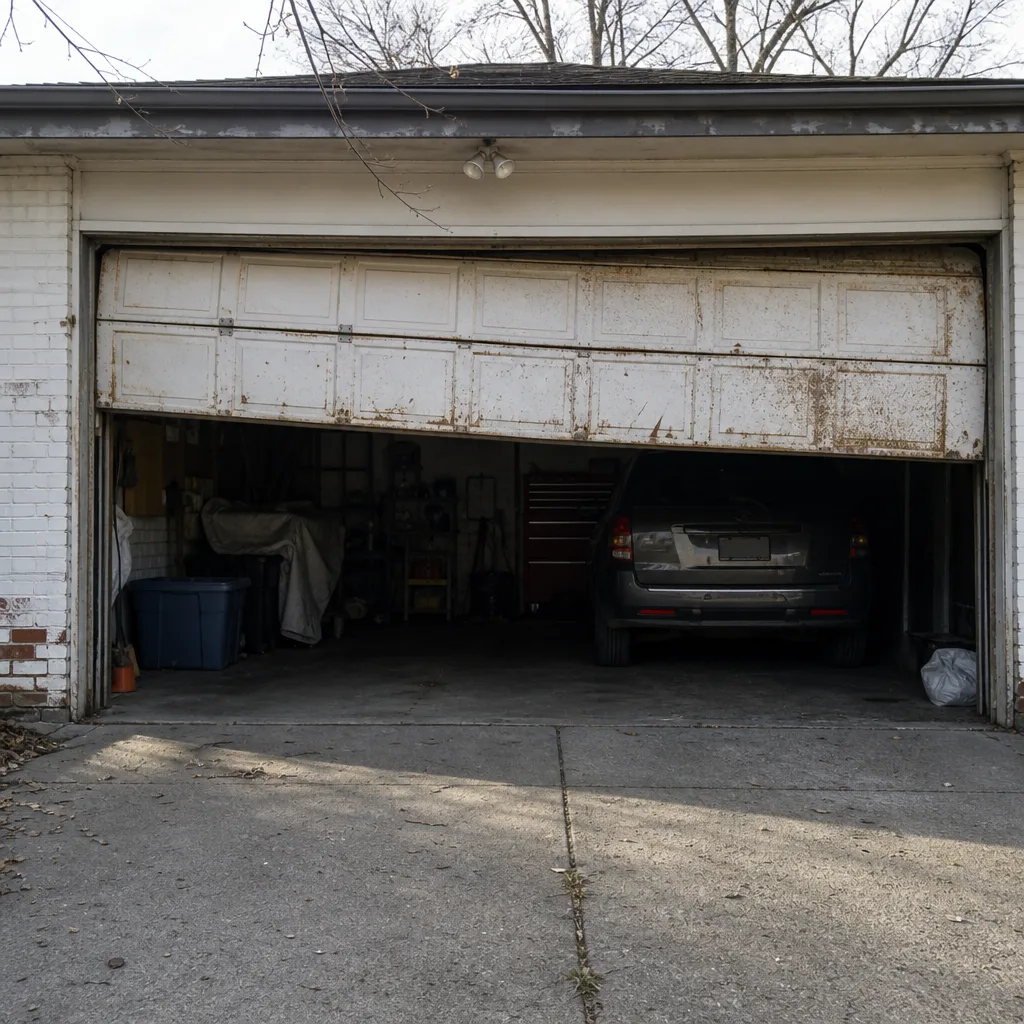 Before
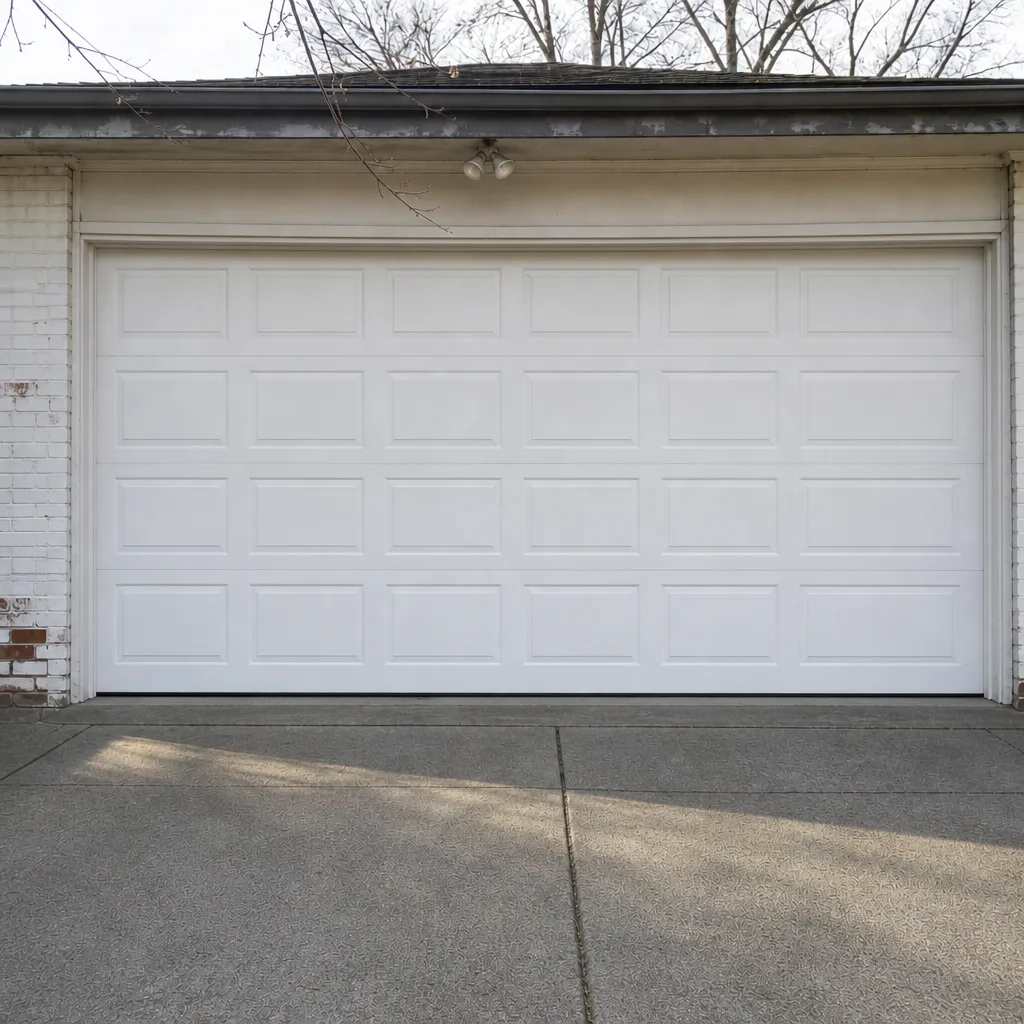 After
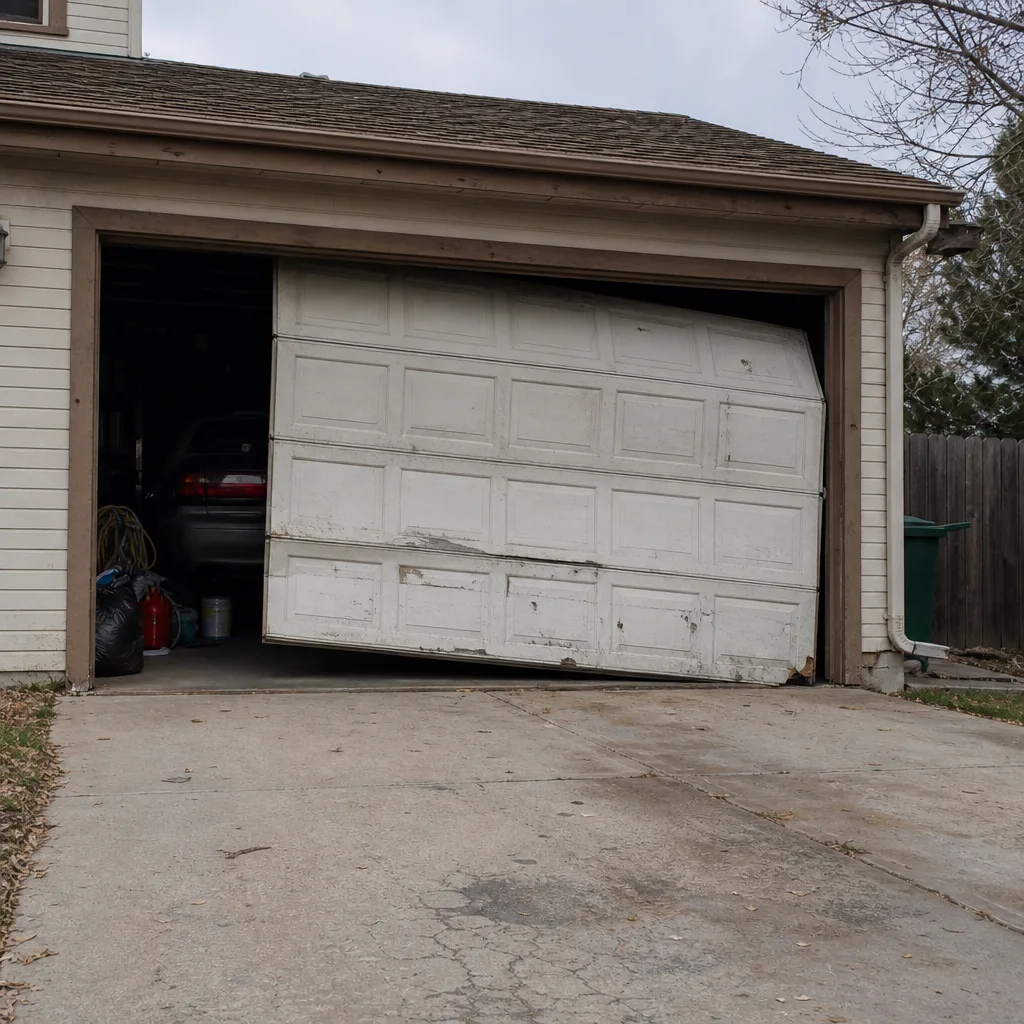 Before
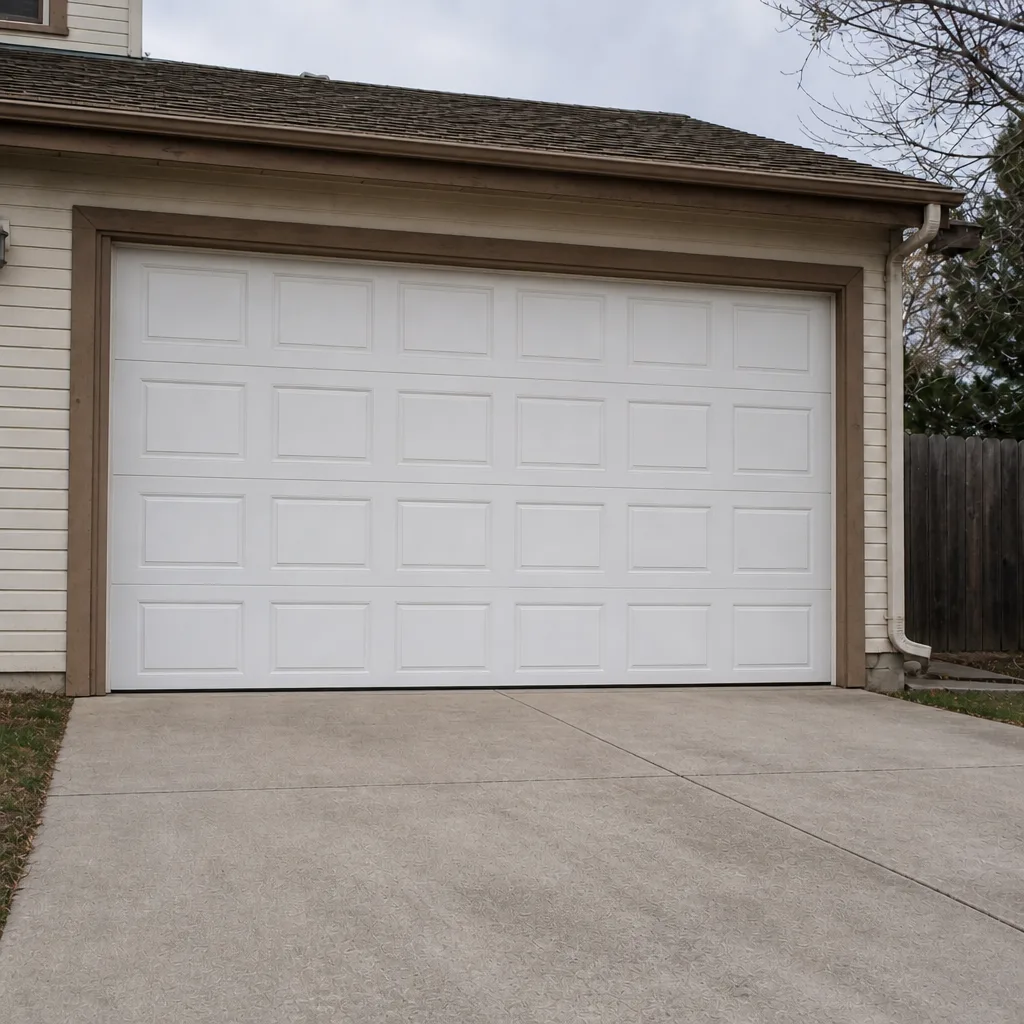 After
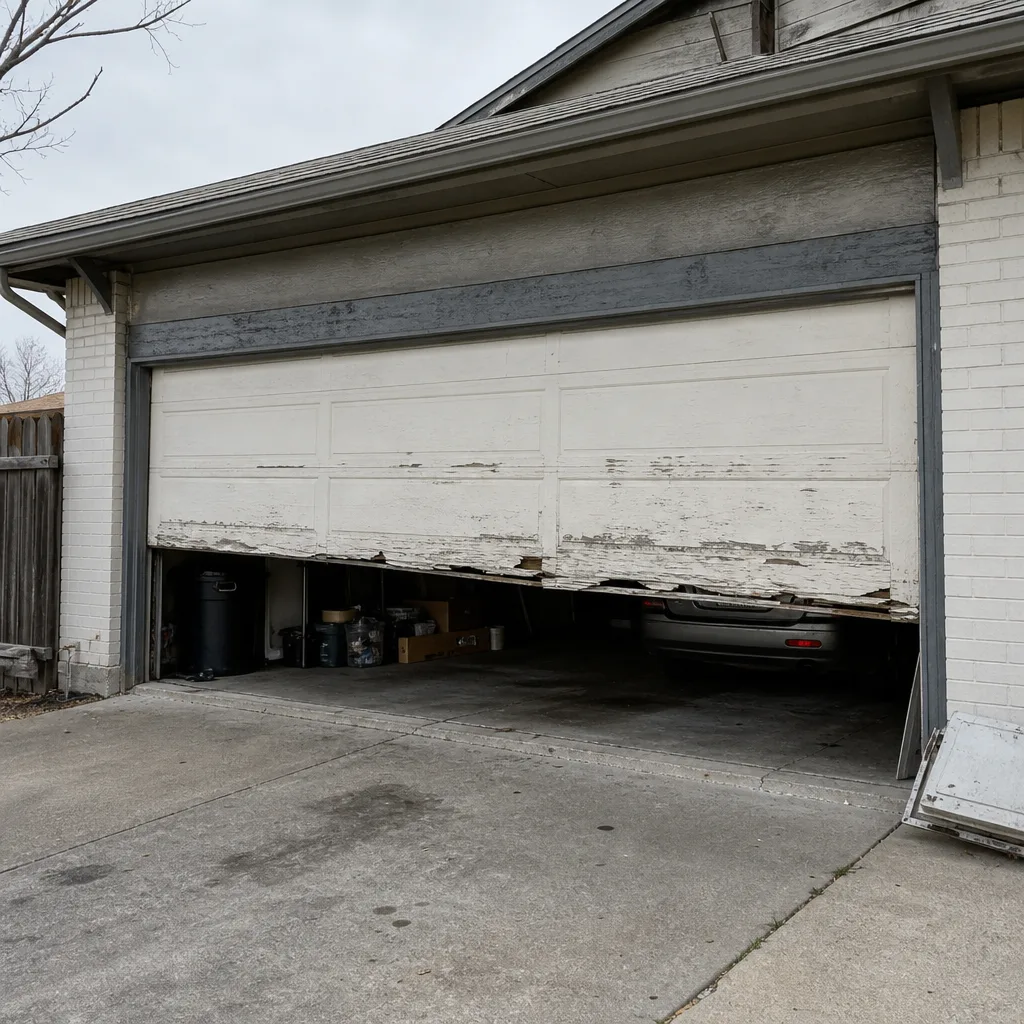 Before
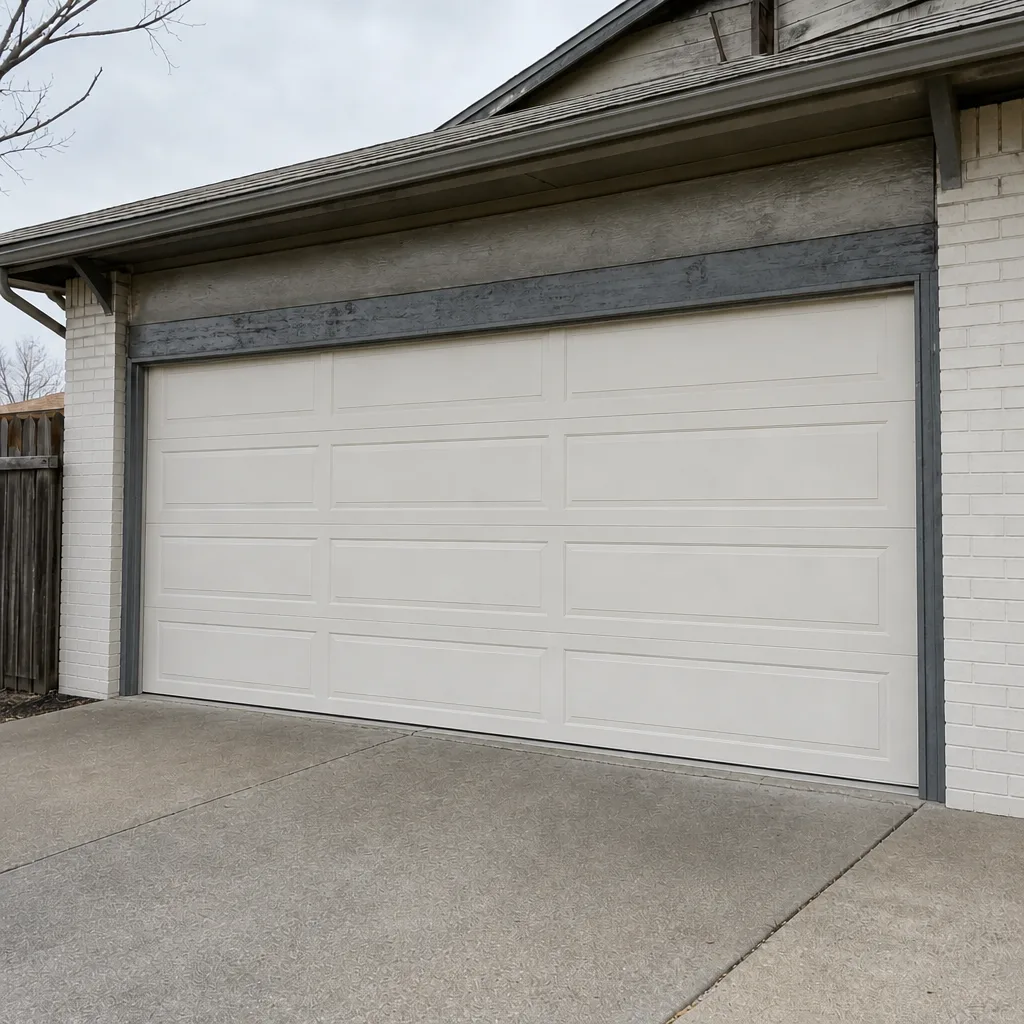 After