Last updated November 23, 2026
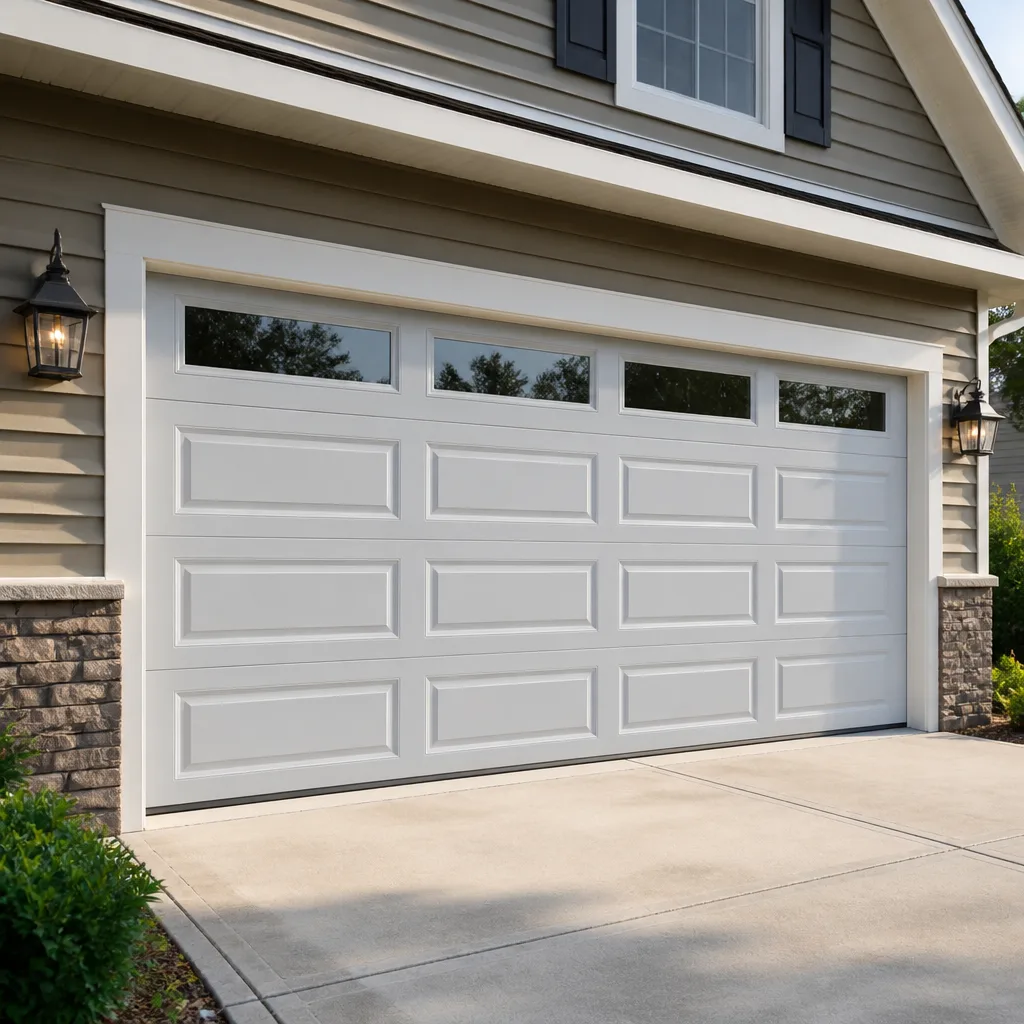 Raised-panel steel
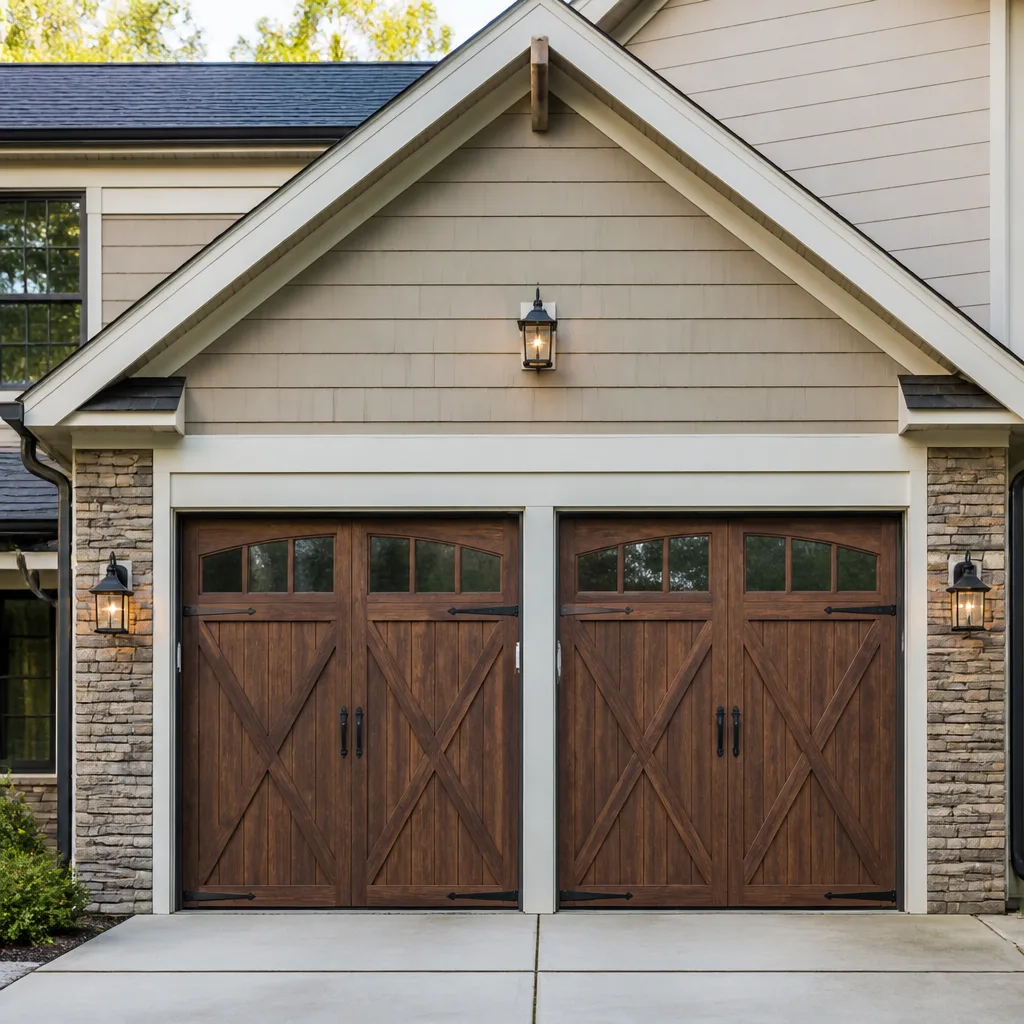 Carriage house
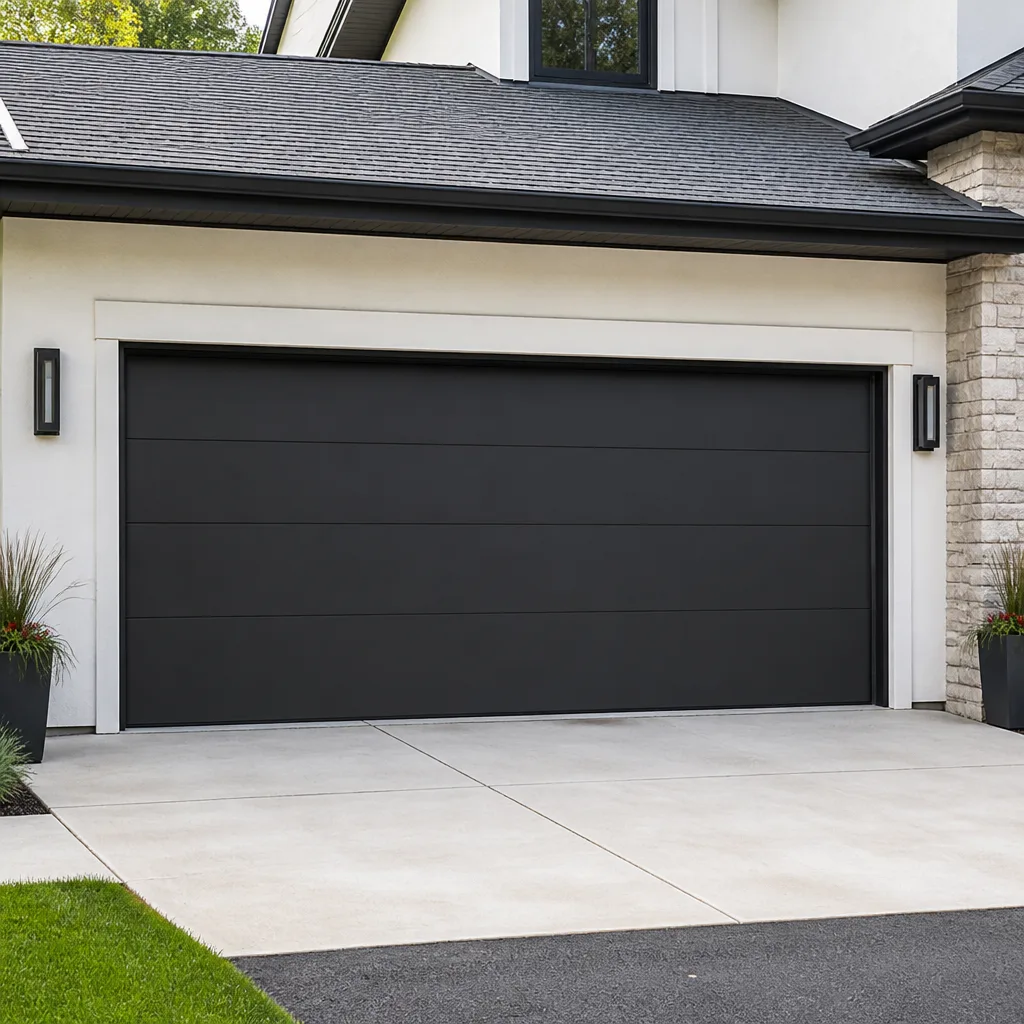 Modern flush
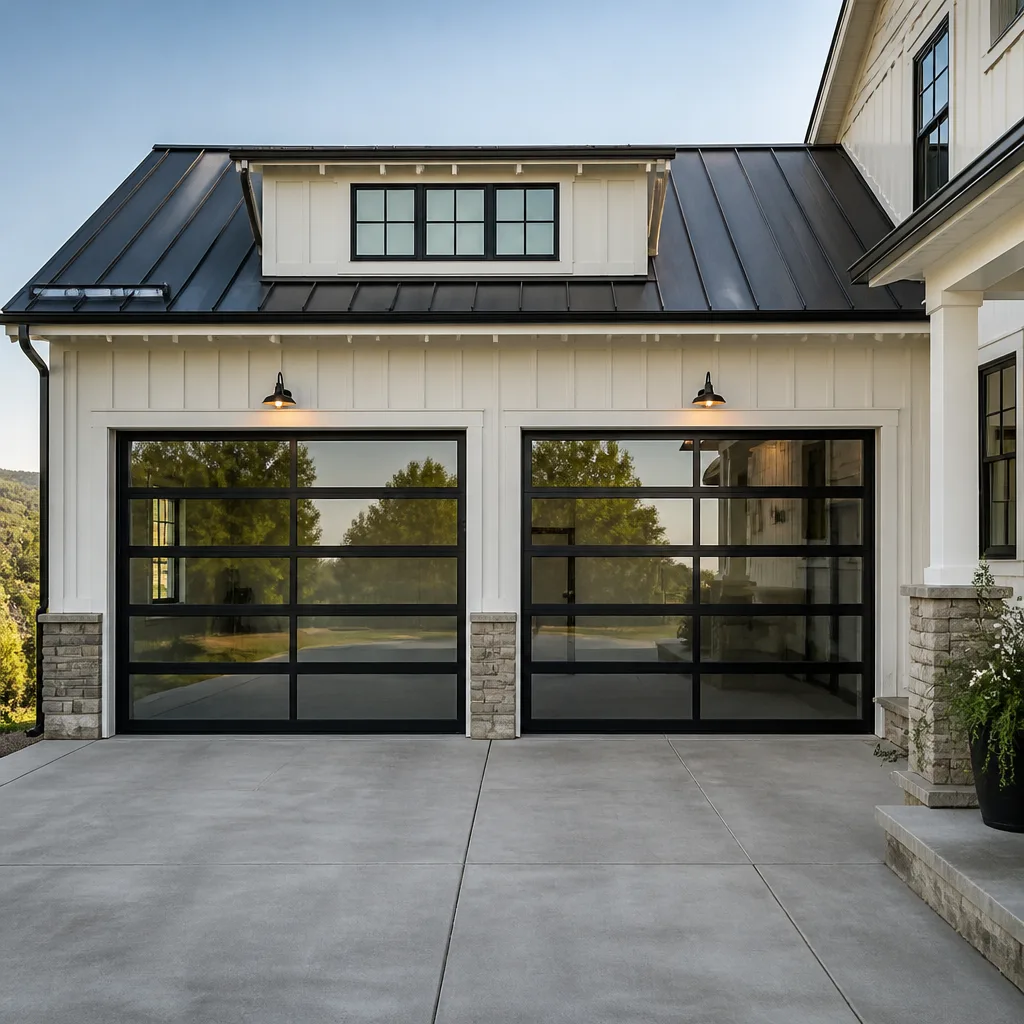 Full-view glass
 LiftMaster openers
 Chamberlain openers
Full 25-point door and opener safety check with every visit - springs, cables, rollers, tracks, and your LiftMaster or Chamberlain opener included
You get a price before we start. It does not change when the pro arrives.
Get your free estimateGarage Door Repair Troubleshooting in Commerce City: Common Problems and How to Fix Them
A noisy garage door and a door that won’t move at all look like different problems, but in our experience they trace back to the same three root causes more often than not: failing springs, misaligned tracks, and sensors or openers that have drifted out of adjustment. That matters because knowing which of the three you’re facing is the difference between a small adjustment and a full spring replacement. This guide isn’t a list of reasons to call someone. It’s a diagnostic walkthrough built for Commerce City homeowners, so you can figure out what your door is actually doing, what it means mechanically, and which parts you should never touch yourself. By the end you’ll know exactly what to tell a technician and how to describe the symptom clearly.
Quick Answer
Most garage door problems in Commerce City come down to one of three things: a weakening or broken torsion spring, a track that’s out of alignment or bent, or a safety sensor or opener that needs recalibration. You can safely diagnose all three yourself by watching and listening to the door, but you should never adjust, remove, or touch the springs or cables. Those carry stored tension that can cause serious injury. For anything involving springs or cables, call a trained technician.
Styles & brands we work with
- Raised-panel steel
- Carriage house
- Modern flush
- Full-view glass
- LiftMaster openers
- Chamberlain openers
Table of Contents
- The Symptom-First Diagnostic Tree: Match the Behavior to the Cause
- How Commerce City’s Climate Affects Your Garage Door
- Springs and Cables: The Line You Don’t Cross
- What’s Safe to Check Yourself (and What Isn’t)
- What to Photograph and Note Before You Call
- Common Misdiagnoses That Waste a Service Call
- When the Problem Is the Opener, Not the Door
- What Repair Typically Costs in Commerce City
The Symptom-First Diagnostic Tree: Match the Behavior to the Cause
Before you call anyone, spend five minutes watching your door. The way it behaves tells you more about what’s wrong than any label on the opener. Below is how we map symptoms to causes when a homeowner describes a problem over the phone. This is the fastest route to the right parts and the right fix.
- Door moves slowly, feels heavy, or won’t lift more than a foot. The spring has likely lost tension or is close to breaking. A balanced door should lift with one hand; if it feels like dead weight, the spring is doing less than it should.
- Loud bang from the garage, then the door won’t open. A torsion spring has broken. This is the most common spring failure, and it usually happens when the door is at rest, which is why it sounds like a gunshot.
- Grinding, scraping, or squealing during travel. Usually a roller, hinge, or track issue. Metal-on-metal contact means something is out of alignment or worn.
- Door reverses before it closes. Almost always the safety sensors or their alignment, or something blocking the photo-eye beam.
- Door won’t respond to the remote but works from the wall button. The remote, the receiver, or the battery, not the door mechanism itself.
- Door opens a little then stops, or reverses immediately. Could be a travel-limit setting, a binding track, or a failing logic board in the opener.
Notice that two of those six are spring symptoms, and another two are likely sensor or opener issues. That split is why accurate diagnosis matters. If you tell a technician “it won’t open,” they have to guess. If you say “it made a loud bang and now the door is heavy,” they know to bring a spring and the right winding bars. Around Commerce City, where a lot of homes have older doors still running on original hardware, we hear the second description constantly.
Why diagnosing first saves you money
A misdiagnosis costs you a second visit and often a part you didn’t need. We’ve talked to homeowners who replaced a remote and a battery before realizing the door’s spring was gone. The symptom-first approach isn’t about being your own technician. It’s about narrowing the problem so that the first technician who shows up has the right answer and the right part on hand.
How Commerce City’s Climate Affects Your Garage Door
Commerce City sits on the eastern edge of the Denver metro, and the temperature swings here are harder on garage doors than most people realize. A door that runs fine in July can groan and drag in January, and it’s not your imagination. Here’s what the local climate does to the three main systems on your door.
- Torsion springs. Steel springs lose tension as temperatures drop and regain it as they warm. A spring that’s already near the end of its cycle count can fail outright on the first hard cold snap of the season. Repeated freeze-thaw cycles over a winter work the metal harder than a steady cold would.
- Track alignment. The ground under a garage slab shifts with freeze-thaw. When the slab heaves slightly, the track can go out of plumb, and a door that ran clean in autumn starts binding in late winter. This is one reason we see track problems cluster in early spring, when everything thaws.
- Sensor calibration. Photo-eye sensors are sensitive to condensation, frost, and the low sun angle of winter mornings. A sensor that’s a millimeter out of alignment in summer can fail to see its partner when the morning sun hits it at the wrong angle in December.
Summer heat matters too, just differently. Metal expands in the heat, and a track that’s snug in winter can bind in July. Lubricant thins and runs. If your door sounds worse in the peak of summer, expansion is a likely contributor. Homes in the older parts of Commerce City, where garages are more likely to have settled slabs and original doors, tend to see more of this than newer construction. Wayne Dalton and Clopay doors we see on Commerce City homes hold up well to the temperature swings, but the hardware around them is what carries the stress.
The seasonal inspection habit
Two checks a year, once in late fall before the first freeze and once in spring after the thaw, catch most climate-driven problems before they strand you. In fall, listen for new noises and watch for slow travel. In spring, check that the door runs smoothly and the sensors are clean and aligned. That rhythm costs you ten minutes and saves you the surprise of a spring failure on a cold morning.
Springs and Cables: The Line You Don’t Cross
We put this section in the middle of the guide on purpose, because it’s the most important thing in it. Springs and cables are the one part of your garage door system that you should never attempt to fix yourself. This isn’t a liability disclaimer. It’s physics.
A torsion spring is wound tight enough to hold the entire weight of your door, and that energy is stored in the metal itself. When you release that tension incorrectly, the spring can unwind violently, and the winding bars can fly out with enough force to break bones. The cables that attach to the bottom of the door are under the same load. A cable that snaps free under tension can whip across the garage. Our technicians have up to 15 years of experience handling high-tension spring work, and every one of them treats it as the most serious part of the job. That’s not caution for show. It’s what the work actually demands.
What you can safely observe about springs
You can look, and you can listen. A broken torsion spring usually shows a visible gap where the coil has separated, and it makes a loud bang when it fails. Extension springs, on the older style of door, sometimes have a visible stretch or a gap. What you should not do is try to wind, unwind, adjust, or cut anything. Don’t spray anything on a spring to quiet it, and don’t try to lift the door manually to “test” a spring you suspect is broken; if the spring is gone, the full weight of the door is on the cables and the opener, and forcing it strains both.
If you suspect a spring problem, note the symptom and call. Our garage door repair work treats spring diagnosis as a first-class concern, and it’s the one area where we’d rather you be cautious than clever.
What’s Safe to Check Yourself (and What Isn’t)
There’s a clear line down the middle of your garage door system. On one side are the things you can safely inspect and sometimes fix yourself. On the other are the components that need a trained technician. Here’s where we draw it.
Safe to check and handle yourself
- Safety sensors. Wipe the lenses, check that both are lit, and confirm nothing is blocking the beam. You can gently nudge a sensor back into alignment by hand.
- Remote and wall button. Replace the remote battery and test the wall button separately from the remote. This isolates whether the problem is the opener or the remote.
- Visual inspection of tracks. Look for bends, dents, or debris. You can remove obvious obstructions with your hands when the door is fully closed.
- Lubrication of rollers, hinges, and tracks. A garage-door-appropriate lubricant on the moving parts is a safe homeowner task. Don’t get it on the springs.
- The balance test. With the door closed and the opener disconnected (pull the release handle), lift the door about halfway by hand and let go. A properly balanced door stays put. If it drops or rises on its own, the spring needs attention.
Not safe, call a pro
- Springs. High-tension, stored energy, never DIY.
- Cables. Same load, same danger, and a snapped cable can whip.
- Track replacement or realignment. A bent track needs to be replaced or professionally straightened, not pried by hand.
- Opener electrical work. Wiring, circuit boards, and motor replacement are technician territory, and anything touching your home’s electrical panel is a job for a licensed electrician.
- Panel and section replacement. A damaged door panel is heavy and awkward to handle, and a bad install can cause the door to bind.
The balance test is the single most useful thing on that first list. It tells you in thirty seconds whether the door’s weight is being carried by the spring the way it should be. If the door falls when you let go, stop testing and make the call.
What to Photograph and Note Before You Call
Here’s where a little prep work pays off. When you call for service, the more a technician can picture before they arrive, the faster the diagnosis and the better the chance they bring the right part. We’ve had homeowners describe a problem perfectly and still forget the one detail that would have told us everything. So before you call, gather these four things.
- A photo of the whole door, closed, from the outside. Shows the door style, brand, and condition at a glance. Clopay and Amarr doors have recognizable panel profiles that help a technician identify the model.
- A photo of the spring assembly above the door. Facing the door from inside the garage, look up at the torsion bar. A photo of the springs and the winding assembly tells a technician whether they’re looking at torsion or extension springs and what size they’ll need.
- A photo of the track and rollers on each side. Bent tracks and worn rollers usually show in a photo.
- A short note on symptoms. What the door does, when it started, and any sounds. “Loud bang, then heavy” and “grinding for a week, now it sticks” point to completely different causes.
With those four pieces in hand, a technician can often pre-diagnose over the phone. That matters because it means fewer return trips and less guessing. If you can’t safely reach the spring assembly to photograph it, don’t climb on anything to get the shot. A description is enough. Our garage door opener repair team deals with symptom descriptions like these all day, and a clear description beats a risky photo every time. If you’re not sure which service you need, our main page at Commerce City Garage Door Repair Co lays out the full range.
Common Misdiagnoses That Waste a Service Call
The most expensive mistake in garage door troubleshooting isn’t a wrong part. It’s fixing the wrong thing. Here are the misdiagnoses we see most often in Commerce City, and how to avoid them.
Blaming the opener when the spring is failing
This is the big one. When a door gets hard to open, the opener starts working harder than it’s designed to. Homeowners notice the grunting, straining motor and conclude the opener is failing. It might be, but the spring is the more likely culprit. If you replace the opener and leave a failing spring in place, the new opener inherits the same overload and fails faster. Check the balance before you blame the opener.
Blaming the remote when the sensors are obstructed
A door that opens with the wall button but not the remote sounds like a remote problem. But if the door closes partway and reverses, or won’t close at all, the sensors are usually involved, and the remote was never the issue. Test both controls from the same spot before you buy anything.
Assuming a slow door is a lubrication problem
Lubrication helps, but it doesn’t compensate for a spring that’s lost tension. If you’ve lubricated the hinges and rollers and the door still drags, stop and check the balance. In Commerce City’s climate, spring tension loss is a seasonal certainty on an aging door, and a can of lubricant won’t fix it.
Straightening a bent track by hand
A homeowner sometimes bends a track back into shape with a hammer or pry bar. It rarely holds, and a badly straightened track can cause the door to bind worse or pop a roller. Replace or professionally realign a bent track. Don’t force it.
Assuming one brand problem is brand-agnostic
Door brands have quirks. A Craftsman opener from a decade ago behaves differently from a modern Wi-Fi-equipped unit, and the sensor logic can differ too. Tell the technician the brand and model if you know it. That one detail shortens the diagnosis.
All of these misdiagnoses share a root: fixing the symptom instead of the cause. That’s why the diagnostic tree earlier in this guide starts with behavior rather than components. Behavior is the honest signal.
When the Problem Is the Opener, Not the Door
Not every problem lives in the door itself. Sometimes the door is fine and the opener is what’s failing. Here’s how to tell the two apart, and what to do when the opener is the culprit.
The quickest test is to disconnect the opener from the door using the release handle, then try to lift the door by hand. If the door lifts smoothly and stays balanced, the door and its spring are likely fine, and the problem is in the opener. If the door is heavy or drops, you’re back to a spring or balance issue. That single test splits the two worlds.
Opener symptoms and what they mean
- Opener runs but door doesn’t move. The door is disconnected from the opener, or the trolley is off the rail.
- Motor hums but nothing moves. Could be a stripped gear, a seized motor, or a binding door. Check the balance test first.
- Opener works from the wall but not the remote (or vice versa). Remote, receiver, or battery.
- Opener beeps or flashes and the door reverses. Safety sensor logic. Check alignment and obstructions.
- Door stops partway and reverses. Travel limits, force settings, or a binding track. Often the door, not the opener.
Older mechanical openers from Craftsman and Genie are repairable, and for a lot of Commerce City homes that’s the cheaper path than replacement. Smart-home-connected openers like LiftMaster and Chamberlain myQ units have their own app and connectivity issues that are separate from the mechanical side. Knowing which world you’re in keeps you from replacing an opener that only needed a sensor realignment. If the opener is genuinely failing, our opener repair work covers both the old mechanical units and the Wi-Fi-connected ones.
What Repair Typically Costs in Commerce City
Cost is where most guides go silent. Here are the ranges we see for common repairs in the Commerce City market, with the caveat that the written estimate is what sets the final price. Prices below are typical estimates for the work described, and a spring price is for a single spring unless noted.
| Repair | Typical estimated range |
|---|---|
| Torsion spring repair (one spring) | $180 – $340 |
| Matched pair of torsion springs | About twice the single-spring range |
| Extension spring replacement | $150 – $300 |
| Opener repair (sensor, travel, or remote) | $90 – $200 |
| Opener replacement | $250 – $600, depending on the unit |
| Cable replacement | $150 – $300 per side |
| Track realignment or replacement | $150 – $350 |
| Roller and hinge tune-up | $100 – $250 |
Two things to know about these numbers. First, a matched pair of springs is usually replaced together because both have lived the same life and are close to the same cycle count. Quoting one spring for both would leave you back on the phone when the second one fails. Second, the price is quoted and agreed before any work starts. You’ll know the number before a technician touches the door. If you want an exact quote for your door, call (855) 337-1961 and we’ll talk through what you’re seeing. Estimates are free.
Why the ranges move
Door height, spring type, and whether the technician has to make an extra trip for a part all push the number within the range. A standard single-car door sits at the low end. A double door with a high-lift track and a tinted panel assembly lands higher. Photos and a symptom description before the call keep you on the lower side of the range because they cut the diagnosis time and the chance of a return trip.
Common Mistakes to Avoid
- Testing a door with a suspected broken spring by lifting it. If the spring is gone, the door’s full weight is on the cables and the opener. Lifting it by hand or running it with the opener strains both and can drop the door.
- Buying a new opener before confirming the door is balanced. A failing spring makes any opener look like it’s failing. Do the balance test first. It’s free and it saves the price of a new opener.
- Forcing a bent track back into shape. A hammered track is a cracked track waiting to happen. Replacing or professionally realigning it is the durable fix.
- Ignoring a grind for weeks. A small metal-on-metal noise turns into a worn roller, then a cracked hinge, then a door that binds. Catch it early in the season, especially on Commerce City doors that see heavy freeze-thaw cycling.
- Spraying lubricant on the springs. It won’t quiet a failing spring and it can attract grit. Lubricate the rollers, hinges, and the track, not the springs.
- Skipping the pre-call photos. A clear photo of the spring assembly and a one-line symptom note turn a two-visit job into a single-visit one. The technology is on your side here, use it.
- Assuming a brand-specific network is your only option. A Craftsman or Genie opener doesn’t need a brand-specialist dealership. A technician familiar with the major brands can diagnose and repair it just fine.
See the difference
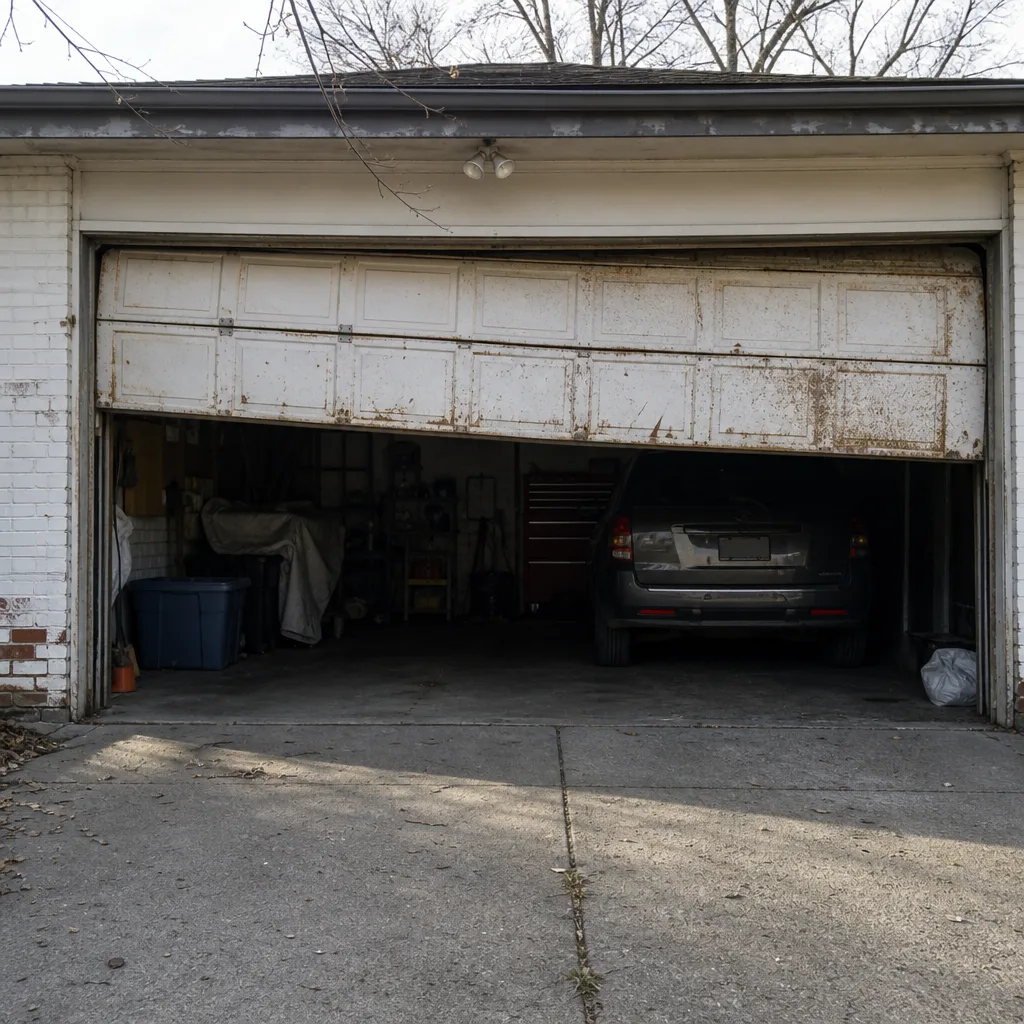 Before
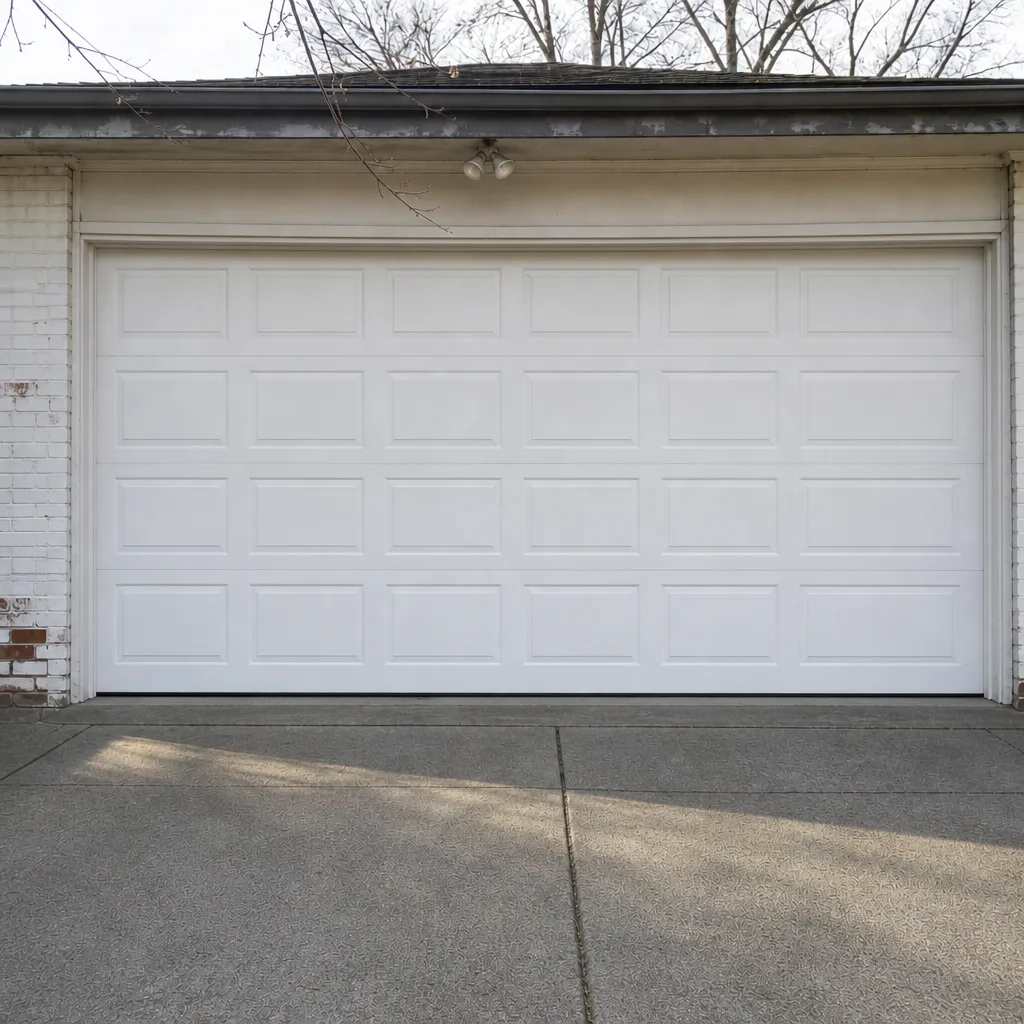 After
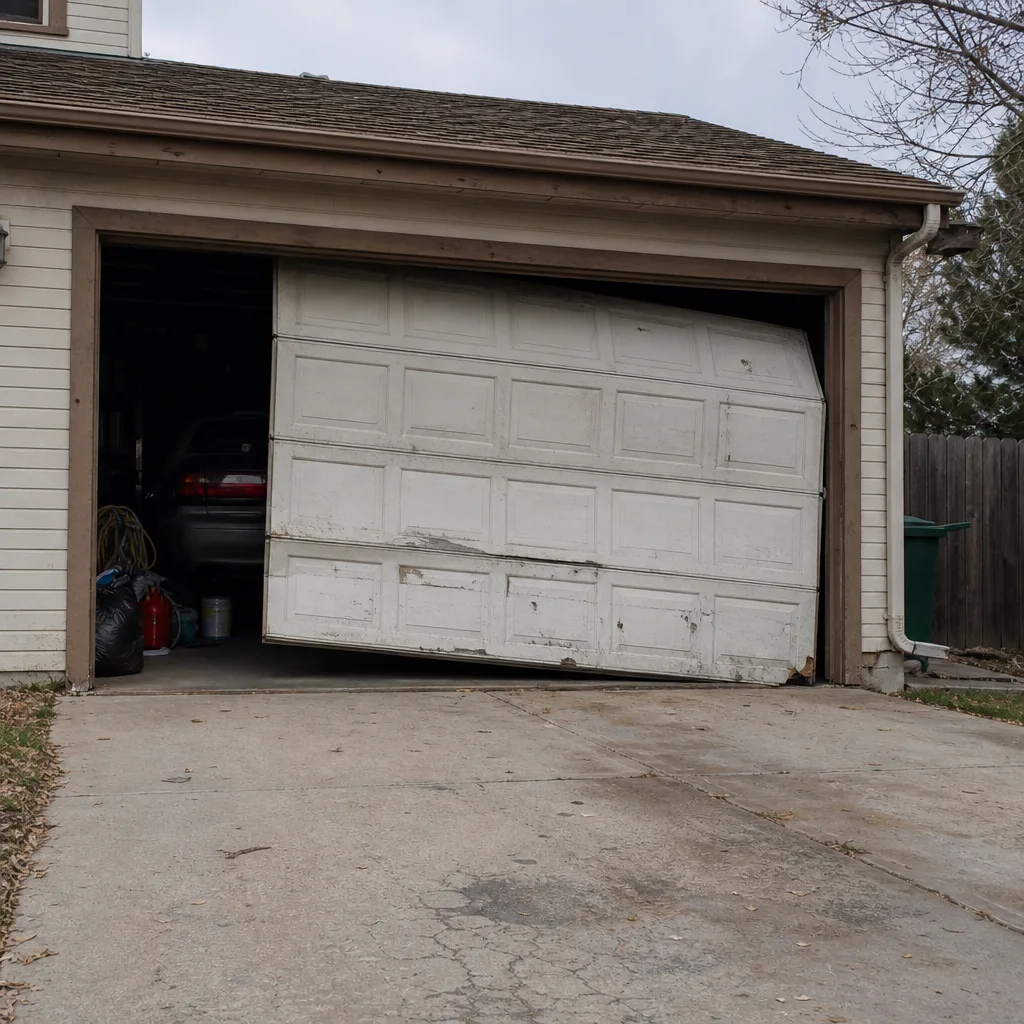 Before
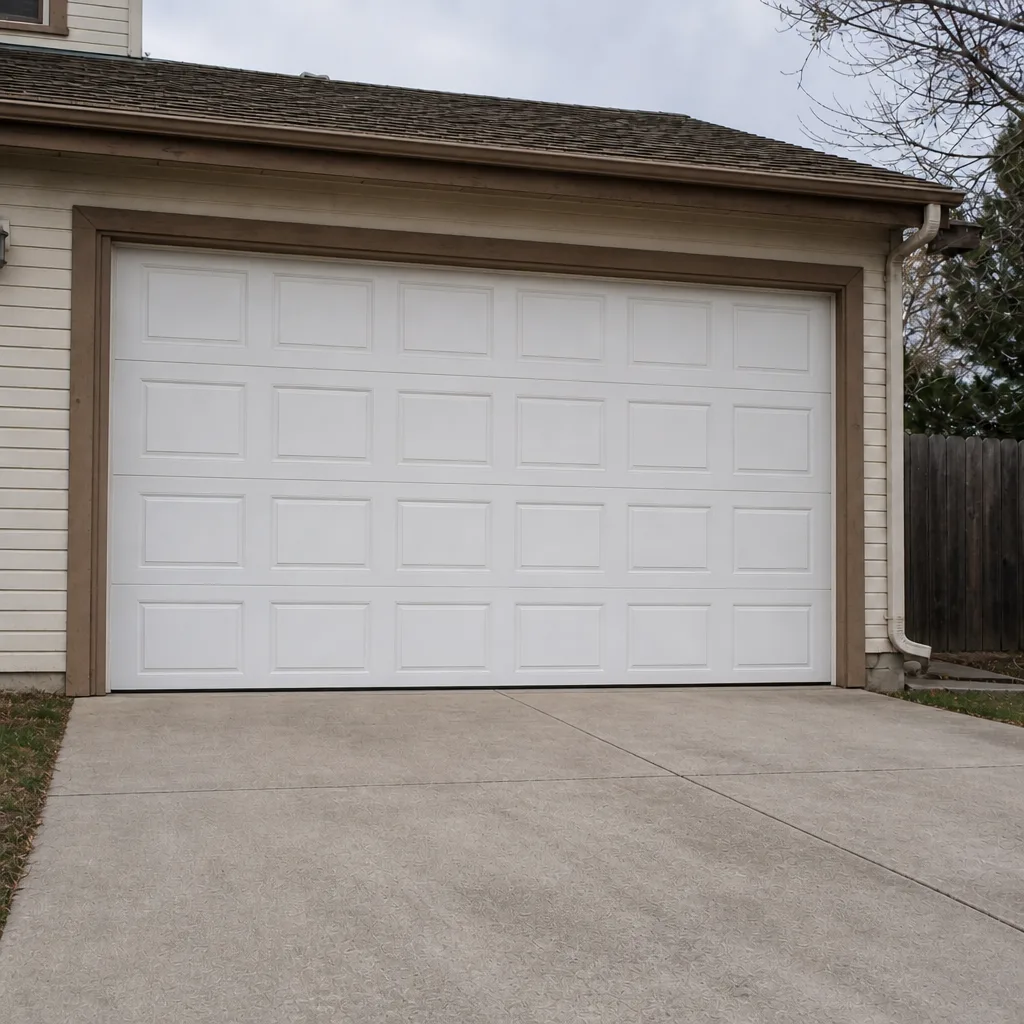 After
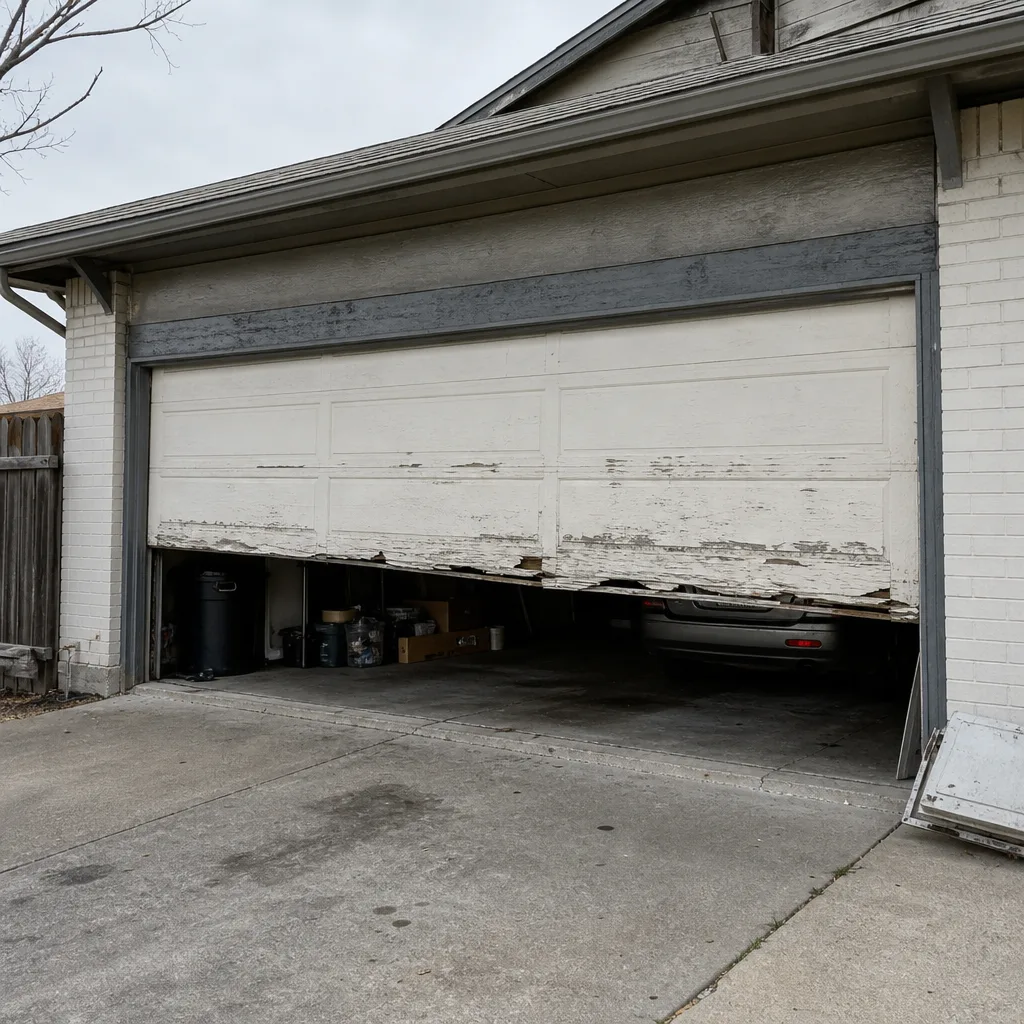 Before
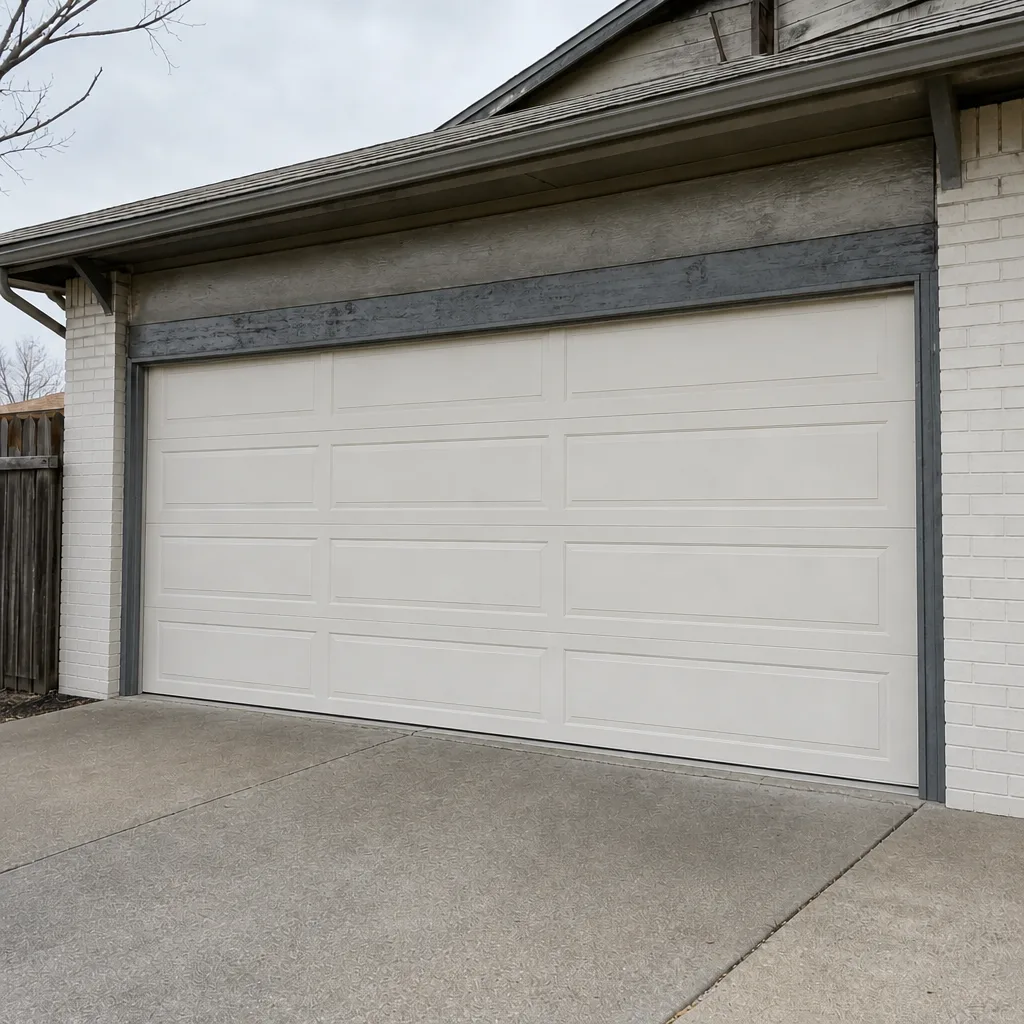 After
When to Call a Professional
Some things you can check yourself. Some things you should never touch. The line between them is clear: if the fix involves springs, cables, track replacement, or electrical work, it’s a job for a trained technician. Call when you hear a loud bang from the garage and the door won’t open, when the door is heavy to lift and drops when you let go, when a track is visibly bent or the door binds on one side, when the opener runs but the door doesn’t move, or when the door reverses before closing and sensor cleaning and alignment don’t fix it. If you can’t safely reach the spring to photograph it, that’s also a sign to call rather than climb. Our technicians have up to 15 years of experience and work on all the major brands.
Commerce City Garage Door Repair Co offers free estimates in Commerce City. Call (855) 337-1961 and we’ll walk through the symptoms with you, help you figure out what’s likely wrong, and get you on the schedule. Same-day service is available for repairs that can’t wait. For a full door replacement rather than a repair, our garage door installation service covers the whole process from measuring to the finished door.
Frequently Asked Questions
A loud bang followed by a door that won’t open almost always means a torsion spring has broken. The spring is the most common failure point on a garage door, and it usually breaks when the door is at rest. Don’t try to lift the door or run the opener. Call a technician, because the spring carries stored tension that requires trained handling. Call (855) 337-1961 for an estimate.
No. Garage door springs are under high tension, and releasing that tension incorrectly can cause serious injury or worse. The winding bars and cables are just as dangerous. Spring replacement is the one repair in the garage door world that should always go to a trained technician, no exceptions. Our technicians treat spring work as a dedicated specialty for exactly this reason.
Cold weather contracts steel springs and reduces their tension, and the freeze-thaw cycle can shift the garage slab enough to misalign a track. Both make a door that ran fine in summer drag or fail during a cold snap. A spring that’s near the end of its life often fails on the first hard freeze of the season. It’s a climate effect, not a door defect.
Usually the safety sensors, not the opener. Check that both photo-eye sensors are lit and clean, that nothing is blocking the beam, and that they’re roughly level and aimed at each other. If alignment doesn’t fix it, the sensors or their wiring may need attention. The reverse behavior is the door’s safety feature doing its job, which is a good sign, but it needs a fix so you can close the door. Call for an estimate if cleaning and realignment don’t work.
Most repairs fall into a few common ranges: torsion spring repair (one spring) typically runs $180 – $340, a matched pair is about twice that, opener repair runs $90 – $200, and cable replacement is $150 – $300 per side. The written estimate sets the final price, and it’s quoted and agreed before any work starts. Call (855) 337-1961 for an exact quote; estimates are free.
The problem is on the remote side, not the door. Replace the remote battery first, then test again. If a fresh battery doesn’t help, the remote may need to be re-paired, or the receiver in the opener may be at fault. Since the wall button still works, you know the door and the opener motor are functioning. That narrows it down and saves a service call. If it’s a Craftsman or Genie opener, the re-pairing steps differ from brand to brand; a technician can sort it in one visit if you’re not sure.
The Bottom Line
Garage door problems in Commerce City come down to a short list of causes: failing springs, misaligned tracks, and sensors or openers that need calibration. The fastest way to solve the problem is to watch the door, document the symptoms, and know which fixes are safe for you and which belong to a technician. Springs and cables are always a technician call, no exceptions. Everything else you can diagnose, photograph, and describe with confidence. And when you’re ready for the fix, the price is quoted and agreed before any work starts. That’s the whole troubleshooting system, and it’s the one that saves you the most time and money.
Written by the team at Commerce City Garage Door Repair Co.