Last updated November 23, 2026
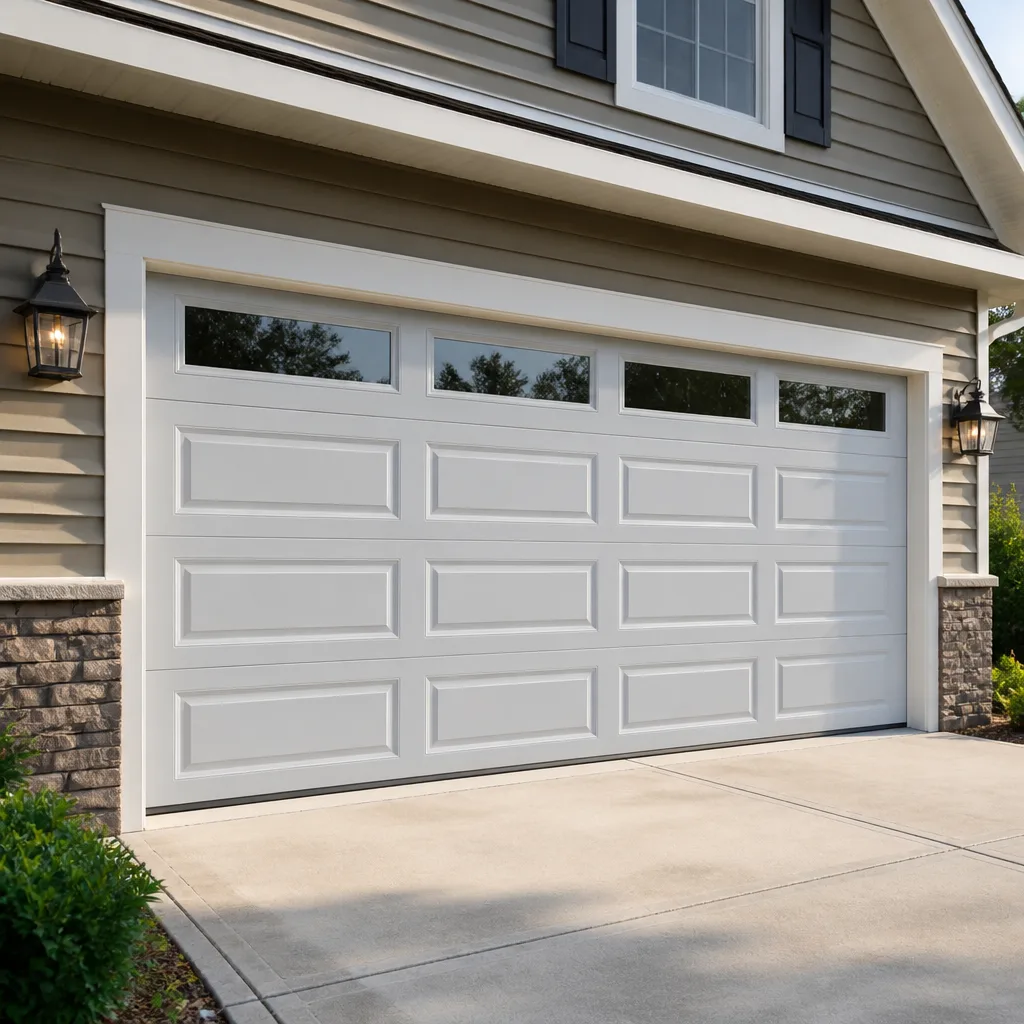 Raised-panel steel
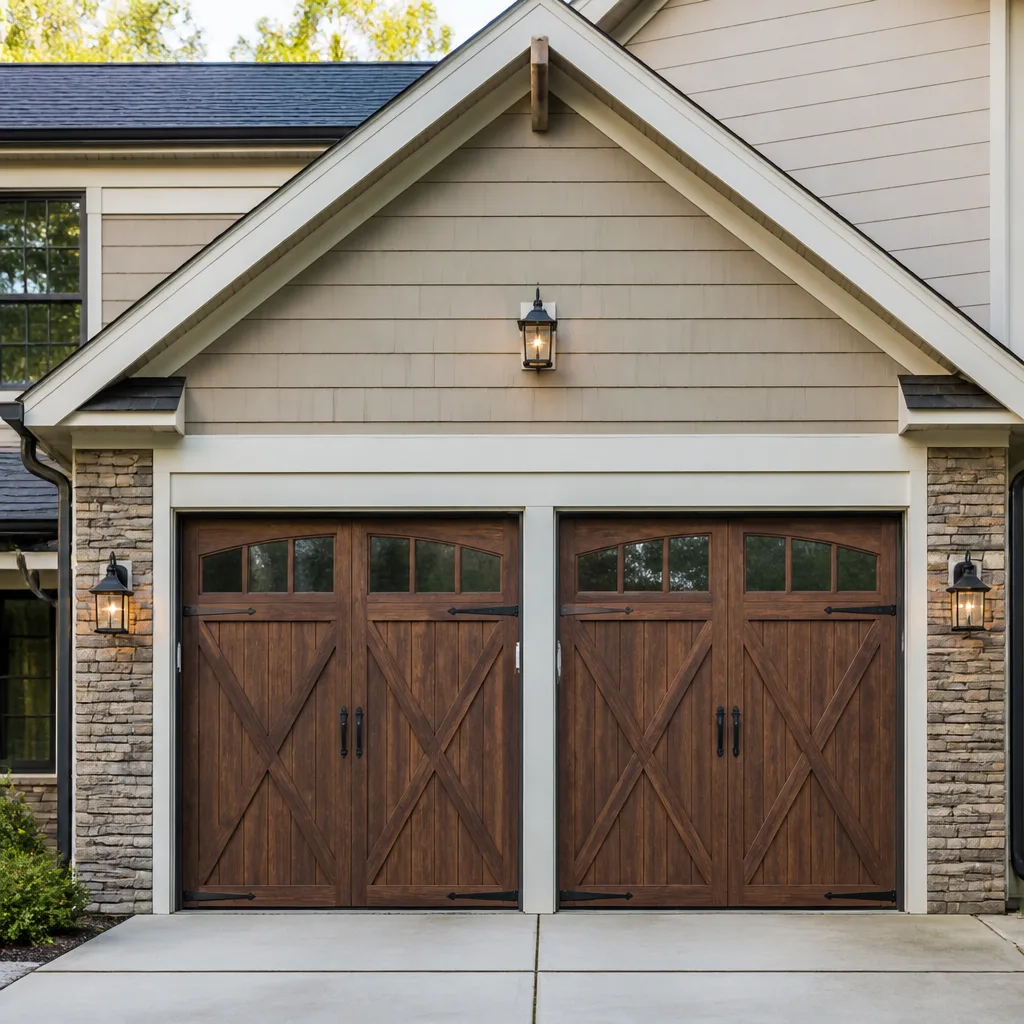 Carriage house
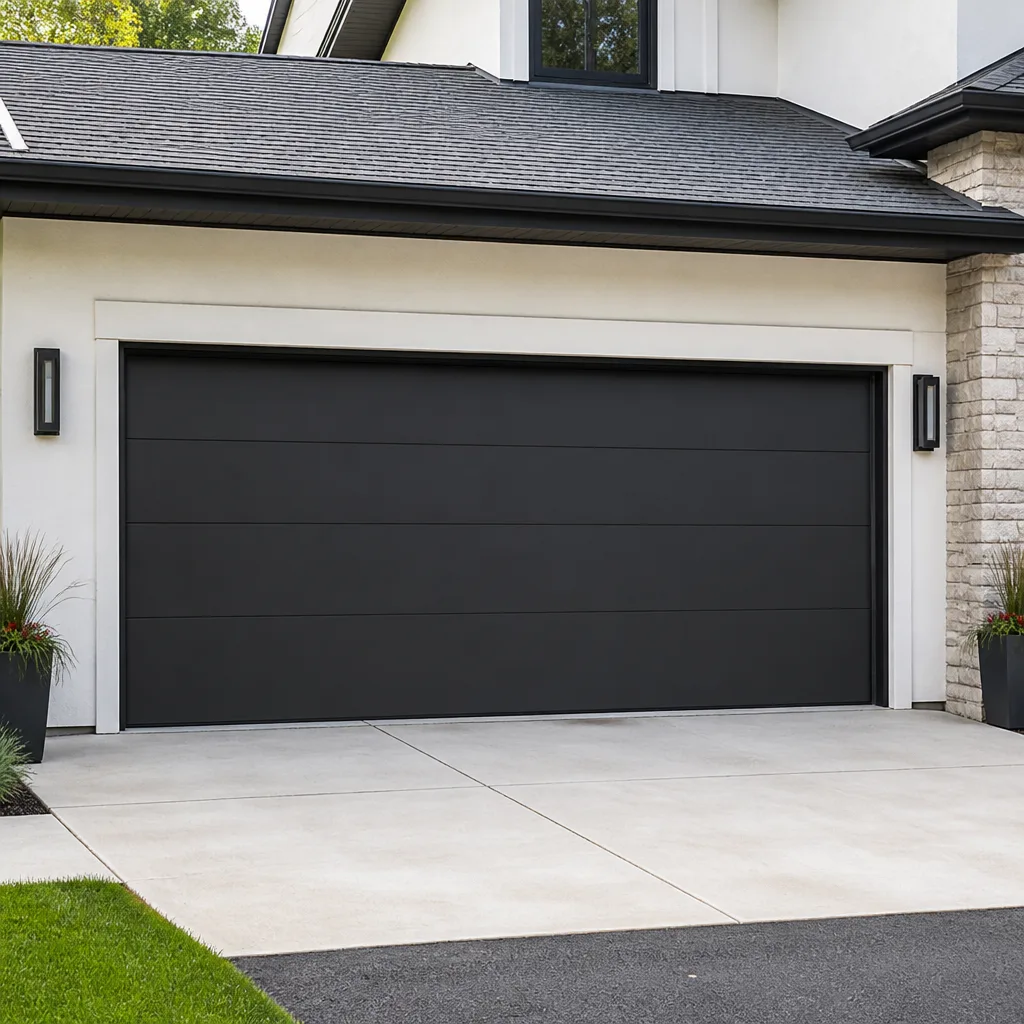 Modern flush
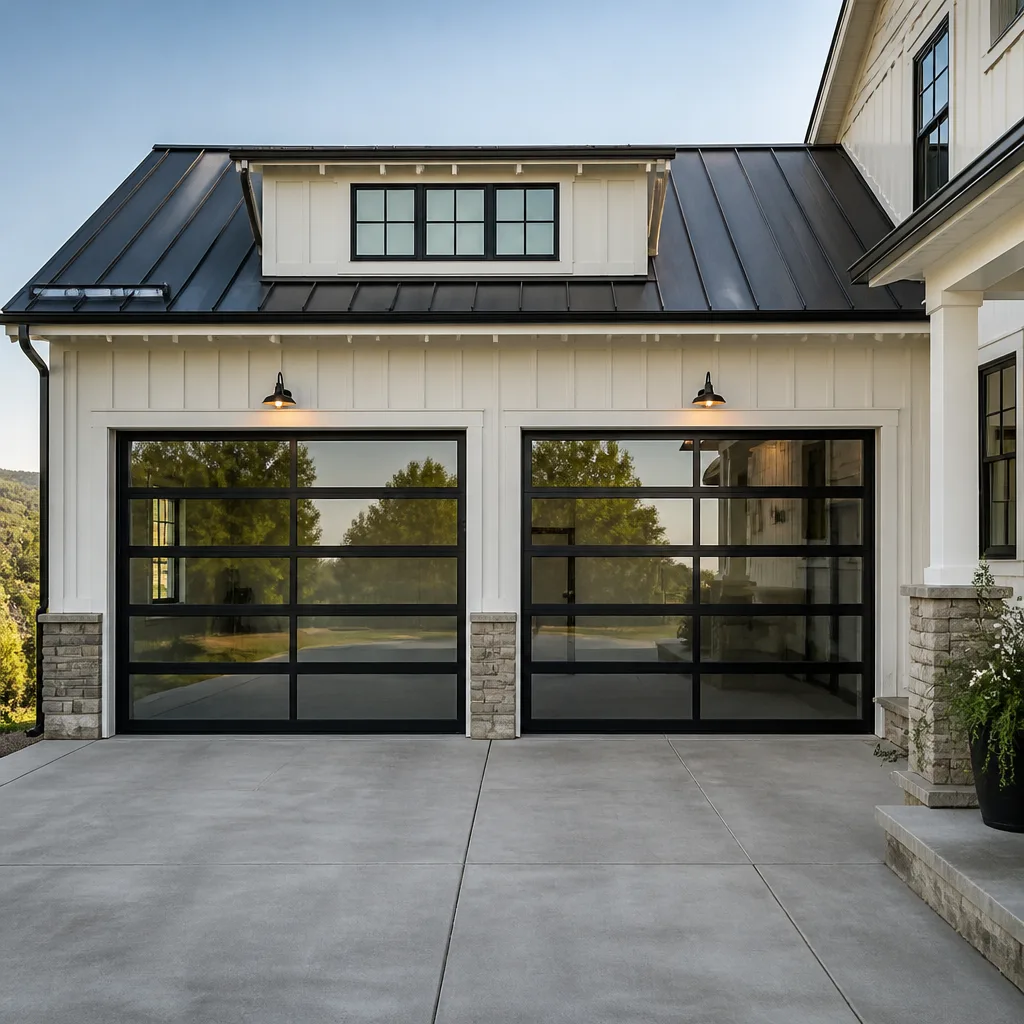 Full-view glass
 LiftMaster openers
 Chamberlain openers
Full 25-point door and opener safety check with every visit - springs, cables, rollers, tracks, and your LiftMaster or Chamberlain opener included
You get a price before we start. It does not change when the pro arrives.
Get your free estimateGarage Door Warning Signs: A Commerce City Homeowner’s Reference Guide
Most garage door warning-sign guides treat every symptom the same: notice it, call a professional. That’s not useful. A grinding noise when your door opens could mean the opener gear is close to stripping, or it could mean a roller needs a drop of lubricant – and the difference in urgency between those two things is total. One is a scheduled repair, the other is a part failure that leaves your car trapped. This guide works differently. It’s a diagnostic reference for Commerce City homeowners: each warning sign mapped to its likely cause, its risk level, and a clear decision – watch it, book a repair, or stop using the door right now. We’ll also cover the local temperature swings that create false alarms, the door styles common here, and a 30-second weekly check that catches most developing problems early.
Quick Answer
The most serious garage door warning signs are a visible gap in a torsion spring, a cable that has come off its drum, and a door that has jumped its track – these three mean stop using the door immediately and call a technician. Other signs, like grinding, uneven movement, or a door that reverses before closing, are usually scheduled-repair territory rather than emergencies. In Commerce City, the widest swings between hot afternoons and cold nights can make a healthy door sound worse than it is, so the key is knowing which symptoms are structural and which are seasonal.
Styles & brands we work with
- Raised-panel steel
- Carriage house
- Modern flush
- Full-view glass
- LiftMaster openers
- Chamberlain openers
Table of Contents
- The Symptom-to-Cause Matrix: What Your Door Is Telling You
- The Three Warning Signs That Mean Stop Using the Door
- Commerce City Temperature Swings and False Positives
- Warning Signs by Door Type: Steel Sectional, Carriage-Style, and High-Lift
- The 30-Second Weekly Check
- Opener Warning Signs: Old Mechanical Units vs. Smart Openers
- Noises, Slowdowns, and What They Actually Mean
- Monitor, Schedule, or Stop: Making the Call
The Symptom-to-Cause Matrix: What Your Door Is Telling You
Here’s the core of this guide. In our experience, most garage door problems announce themselves well before they fail, but the announcement sounds the same for very different issues. The table below maps the common warning signs to their likely causes, how to tell them apart, and how urgently to act. Think of it as a triage chart you can keep in your head.
- Loud grinding when the door moves. Most likely: dry or worn rollers and hinges, or a failing opener gear. Tell them apart by timing – if the grind happens only while the door is traveling, it’s usually the door hardware; if it happens as the opener engages but the door barely moves, suspect the opener gear. Risk: low to moderate. Schedule a repair.
- Door goes up roughly, jerks, or binds on one side. Most likely: a worn roller, a bent track section, or a spring losing tension. If the door looks crooked in the frame, it’s track or cable related. Risk: moderate. Schedule soon.
- Door reverses before it touches the floor. Most likely: a misaligned safety sensor or an obstruction. Check for anything in the sensor beam before assuming a mechanical fault. Risk: low (safety feature working). Troubleshoot, then schedule if it persists.
- A gap in the spring above the door. Most likely: a broken torsion spring. A spring that has snapped shows a clear separation in the coil. Risk: high. Stop using the door.
- A cable hanging loose or wrapped oddly around the drum. Most likely: a cable that has come off its drum. Risk: high. Stop using the door.
- Door sits crooked in the opening, rollers out of the track. Most likely: the door has jumped the track. Risk: high. Stop using the door.
- Opener runs but the door doesn’t move. Most likely: a stripped opener gear, a broken spring, or a disconnected emergency release. Risk: moderate to high depending on the cause. Diagnose before forcing it.
- Door is slow, strained, or won’t fully open. Most likely: spring tension loss, a failing opener motor, or a binding track. Risk: moderate. Schedule a repair.
The pattern to notice: the high-risk signs are almost always things you can see at rest – a gap, a loose cable, a crooked door. The moderate and low-risk signs are things you hear or feel while the door is moving. That’s why a quick look before you hit the button matters as much as listening while it runs.
The Three Warning Signs That Mean Stop Using the Door
Three symptoms are different from the rest. They’re not “call when you get a chance” problems – they’re “leave the door where it is” problems. We’re not being dramatic here; we’re being accurate. A garage door is a heavy object held up by high-tension springs and cables, and when one of those components fails, the rest of the system is under load it wasn’t designed to hold. Using the door in that state can make a repairable problem into a much bigger one, and it puts anyone standing under the door at risk.
- A visible gap in the torsion spring. Look at the horizontal spring above the door (or the two springs if your door has a pair). A healthy spring is a continuous coil. A broken one shows a clear, clean break – often a gap of an inch or more. A broken spring means the door’s weight is no longer supported. Do not try to open it, and do not try to lift it manually. Springs are the most dangerous component on the door, and replacing one safely requires the right tools and training.
- A cable off the drum. At each top corner of the door is a metal drum with a cable wound around it, holding tension. If you can see a cable hanging slack, wrapped unevenly, or off the drum entirely, the door has lost one of its two supports. That door can drop or twist the next time you touch the opener.
- The door is off its track. If a roller has popped out of the track or the door sits visibly crooked in the opening, the door is no longer guided. Forcing it can bend panels, break more rollers, and in the worst case bring the door down unevenly.
For all three: leave the door in its current position, keep people and vehicles clear, and book a repair. If the door won’t open and your car is inside, an emergency garage door service call is the right move – this is exactly the situation that offering exists for. It also helps to know which opener you have when you call, since brands like LiftMaster and Chamberlain have distinct release mechanisms. For general repair needs beyond these three, our garage door repair page covers the full range of fixes.
Commerce City Temperature Swings and False Positives
Here’s something a generic warning-signs list won’t tell you: in Commerce City, the weather generates a steady supply of false alarms. The area sees wide swings between hot summer afternoons and cool nights, and those swings change how a garage door behaves without anything actually being wrong. A door that creaks in the morning and runs smoothly by noon is often just adjusting to temperature, not failing. The metal of your door, the tracks it rides in, and the springs that lift it all expand and contract at different rates. When they move against each other, you get noise.
Three seasonal patterns worth knowing:
- Cold-morning stiffness. Lubricant thickens in cool temperatures, so the door can move more slowly or sound louder for the first few cycles of the day. If it smooths out after a couple of uses, that’s temperature, not a failing part.
- Expansion-related rubbing. On hot days, steel tracks and door panels expand slightly. A door that rubs or squeaks only in the afternoon heat is usually a lubrication or alignment adjustment, not a structural failure.
- Sensor complaints in changing light. Bright sun hitting a safety sensor directly, or dust stirred up by wind, can cause a door to reverse. Wipe the sensor lenses and check the alignment before assuming a bigger problem.
How do you tell a seasonal false positive from a real problem? Consistency. A seasonal noise or slowdown appears and disappears with the weather and never gets worse. A mechanical issue shows up every cycle, gets progressively louder or slower, and often comes with a visible change – a crooked panel, a worn roller, a door that doesn’t close all the way. If the symptom is steady, it’s real. If it comes and goes with the temperature, watch it for a few days. This is the kind of local pattern our technicians pay attention to when they diagnose a door in Commerce City, because it stops a lot of unnecessary repairs.
Warning Signs by Door Type: Steel Sectional, Carriage-Style, and High-Lift
Not every door fails the same way. The most common style in Commerce City is the steel sectional door – the standard multi-panel door that rolls up and over. Next is the carriage-style door, which mimics the look of a swing-out barn door but still rolls up. And this area has its share of taller garages, so high-lift conversions are common. Each has its own warning signs, and knowing which one you have sharpens your diagnosis.
Steel Sectional Doors
These are the workhorses, and their warning signs usually start at the joints and the moving hardware. Watch for:
- Rust or bubbling paint along the bottom panel, where moisture collects.
- Hinges that squeak or bind, which put strain on the opener.
- Dents that throw the panel out of alignment with its neighbors.
- A bottom seal that has cracked or pulled away, letting weather and pests in.
Carriage-Style Doors
Carriage-style doors carry the same mechanical system as a sectional door but add decorative hardware, windows, and often heavier panels. Their specific warnings:
- Loose or missing decorative hinges and handles, which can vibrate free.
- Window seals that degrade and let water into the panel.
- Extra weight stress on the springs – a heavier door works its springs harder, so spring health matters more here.
High-Lift Conversions
Taller garages often use a high-lift setup, where the door tracks up higher before turning back. These systems run the door further and put different demands on the opener and springs. Warning signs include:
- Uneven travel – the door hesitates partway up or stops short of the full height.
- Opener strain, since the door travels a longer distance and the opener does more work.
- Cable and drum wear, which you can often spot as slack or uneven spooling.
Whatever style you have, if you’re weighing a repair against replacing the door entirely, our garage door installation page walks through that decision. The same company handles both, so there’s no handoff between a repair crew and an installer. We’re factory-familiar with the big residential brands – Clopay sectional doors, Amarr, Wayne Dalton, and Raynor – so we know the failure patterns each one is prone to.
The 30-Second Weekly Check
Most developing problems can be caught from the driveway in about half a minute. It’s not a replacement for a professional inspection, but done once a week it catches the vast majority of issues while they’re still small. Here’s the routine, top to bottom:
- Look at the springs. A quick glance at the torsion spring above the door (or the two springs, if you have a pair) for any visible gap. This is the single most important thing on the list.
- Look at the cables. Check both top corners – the cables should be wound evenly on the drums, not hanging slack or crossed.
- Look at the track. Glance down both side tracks for any obvious bend or a roller that has popped out.
- Check the door’s resting position. With the door closed, does it sit level and flush across the opening, or is one side lower?
- Run the door once and listen. Open and close it while you stand back. Normal is a steady hum with maybe a soft rattle. Grinding, scraping, or a loud clunk is a flag.
- Watch the safety sensors. As the door closes, make sure nothing is in the beam and the door goes all the way down without reversing.
That’s it – a few seconds of looking and a single test cycle. The value isn’t in diagnosing the problem yourself; it’s in catching a change early enough that you can book a scheduled repair instead of an emergency. Keep a note of anything that changes week to week. A noise that appears once and stays is worth a call. A noise that appears on a cold morning and is gone by noon is usually just the weather. If you want a second set of eyes on something you’ve spotted, call us at Commerce City Garage Door Repair Co and we’ll take a look.
Opener Warning Signs: Old Mechanical Units vs. Smart Openers
The opener is the brain of the system, and it fails differently depending on its age and platform. Older mechanical units – the Craftsman and Genie models still running on plenty of Commerce City doors – usually give clear, gradual warnings. Newer smart-home openers like the LiftMaster and Chamberlain myQ systems often fail in quieter, more digital ways. Knowing which category yours falls into tells you what to watch for.
Older Mechanical Openers
- Grinding as it engages. Often a worn gear. If the opener runs but the door doesn’t move, suspect a stripped drive gear.
- A door that reverses or limits out. Usually a travel limit or force setting that needs adjusting, or a failing sensor.
- A remote that works intermittently. Often a battery, a worn remote, or a receiver issue – usually simple once diagnosed.
- Sluggish response. On an old unit, this can signal a motor nearing end of life.
Smart and Wi-Fi Openers
- App shows the door open when it’s closed. Often a sensor calibration issue rather than a mechanical fault.
- Opener drops off the network. Usually a router or Wi-Fi coverage issue, not the opener itself.
- The door won’t respond to app commands but works from the wall switch. Points to the smart module, not the drive system.
- Firmware or app update glitches. Sometimes a pending update needs a power cycle to clear.
One caution: modern openers have safety-reversing features for a reason. If the door won’t close because it keeps reversing, do not bypass or disable the safety system – that’s a safety feature doing its job. Diagnose the sensor or alignment issue instead. When an opener needs repair, our garage door opener repair covers both legacy and smart units, so the fix doesn’t depend on which brand you have. Spring repair, though, is a different category of work – and it’s worth understanding why.
Noises, Slowdowns, and What They Actually Mean
Sound is the most common early warning, and also the most misread. A door that’s getting louder is telling you something, but not always what you think. Here’s how to translate the sounds you hear into likely causes.
- A high-pitched squeal. Usually metal-on-metal friction – a dry roller, a hinge, or a track that needs lubrication. Low risk, easy to address.
- A heavy grinding or groaning. Often worn rollers or a failing opener gear. If it happens as the door moves, suspect hardware; if it happens as the opener engages, suspect the gear. Moderate risk.
- A sharp snap or bang. This is the classic sound of a broken spring. If you hear it, stop using the door and check the spring for a gap.
- A rattling or banging as the door travels. Loose hardware – bolts, hinges, or the door’s panels vibrating in their hinges. Low to moderate risk.
- A door that slows down noticeably. A sign of spring tension loss or a binding track. Moderate risk; a slowdown that gets worse is worth a call.
The general rule: a noise that’s new and stays is worth investigating, and a noise that’s loud and sudden is worth checking before you use the door again. Slowdowns are the quiet version of the same message – the door is working harder than it should. In Commerce City, remember to factor out the temperature first: cool-morning stiffness is normal, but a slowdown that persists into the afternoon is not.
Monitor, Schedule, or Stop: Making the Call
Every warning sign falls into one of three decisions. Here’s how to sort them quickly so you’re not guessing.
- Monitor. The symptom comes and goes with the weather, never gets worse, and you can spot the likely cause (dry roller, dusty sensor, cool-morning stiffness). Watch it for a few days. If it stays or grows, move to “schedule.”
- Schedule a repair. The symptom is consistent, gets worse over time, or involves the opener running while the door doesn’t move, a binding track, a slowdown, or unusual noise. This is not an emergency – but it’s not something to put off, either. Book it before a small repair turns into a bigger one.
- Stop using the door. A visible spring gap, a cable off the drum, or a door off its track. Leave the door where it is and call. If it won’t open and your car is inside, that’s an emergency service call.
If you’re unsure which bucket a symptom falls into, err toward “schedule.” A technician can tell you in minutes whether you’re looking at a lubrication issue or a failing part, and that clarity is worth more than the guesswork. We’re certified to service eight of the most widely installed door and opener brands, including LiftMaster, Chamberlain, Genie, and Clopay, so we can diagnose accurately regardless of what’s hanging on your wall. Our technicians have up to 15 years of experience, and we’ve seen just about every failure pattern these systems produce.
Common Mistakes to Avoid
- Treating a broken spring like a stuck door. A door with a snapped spring isn’t “just stuck” – it’s unsupported by the component that holds its weight. Forcing it up can cause serious injury. Stop and call.
- Ignoring a slow change in the door’s behavior. A door that gets a little slower each week is telling you something. Waiting until it stops working entirely usually means a bigger repair.
- Tuning out seasonal noise. Cool-morning creaks are normal in Commerce City. A persistent noise in the heat of the day is not – treating the two the same either wastes money or misses a real problem.
- Skipping the safety sensor check. A reversing door is a safety feature working as designed, not a nuisance to bypass. Disabling the sensor is never the fix.
- Assuming a smart opener’s problem is the opener. When a Wi-Fi opener drops off the network, the fault is often the router or coverage, not the hardware. Check the simple things first.
- Mixing up opener strain with door strain. An opener that runs but doesn’t lift the door points to the opener; an opener that strains to lift a slow door points to the door’s springs or tracks. The diagnosis changes the repair.
- Doing springs yourself. This is the most repeated advice for a reason. High-tension springs store enormous energy, and the right tools and technique aren’t a weekend project. Leave spring work to a trained technician.
See the difference
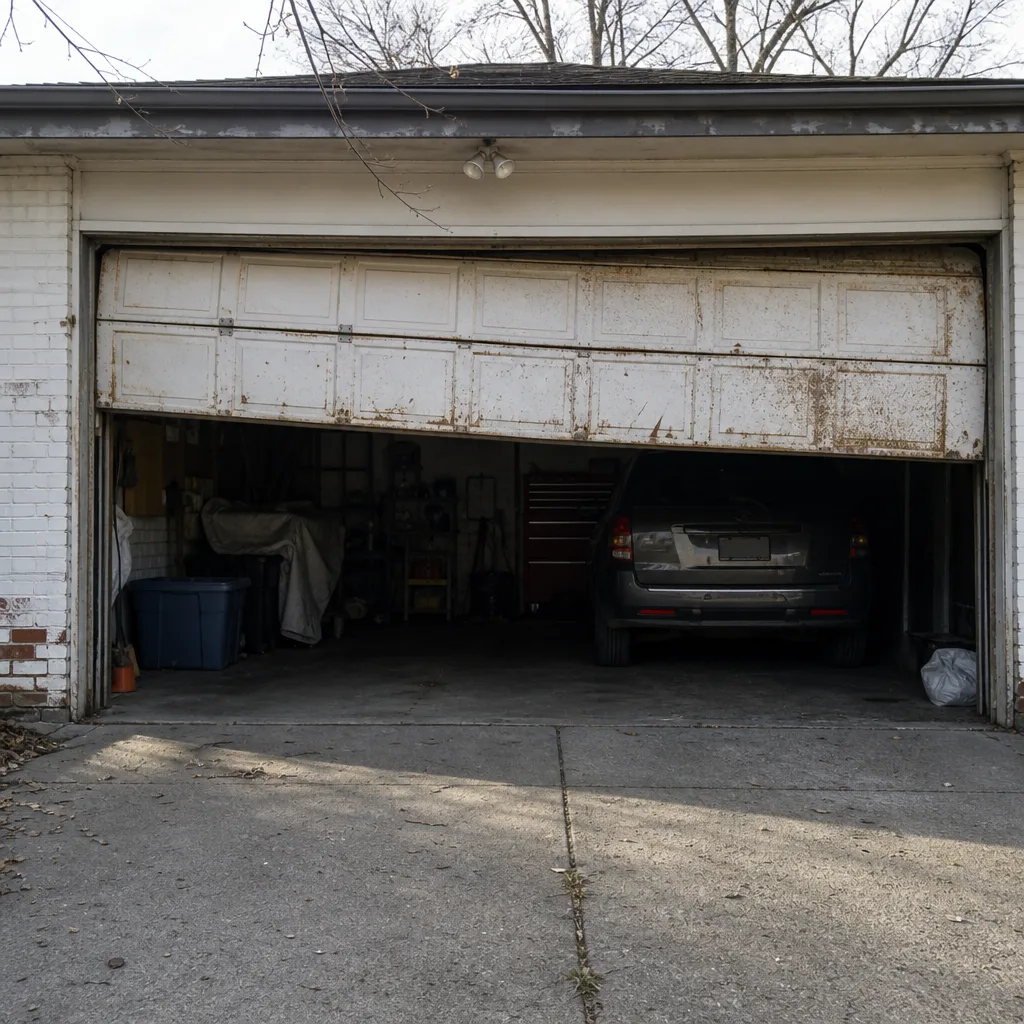 Before
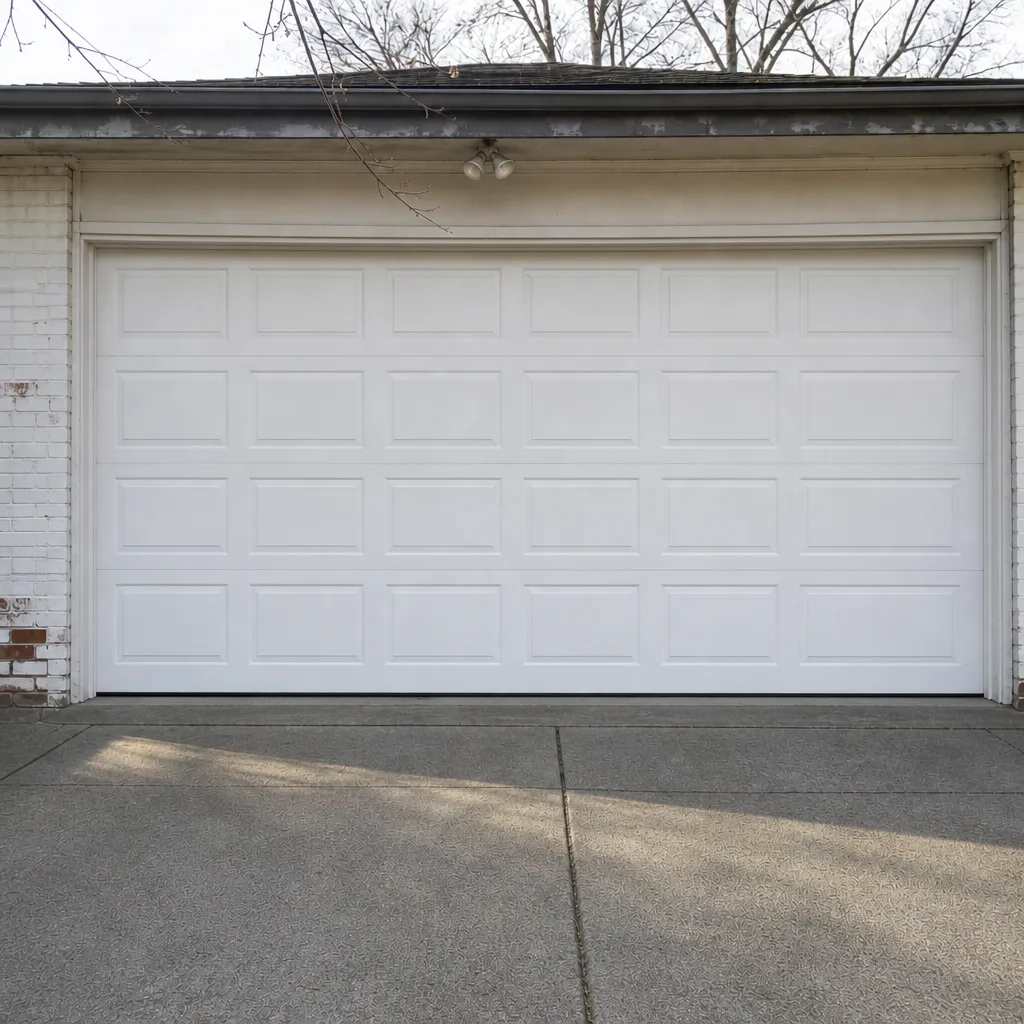 After
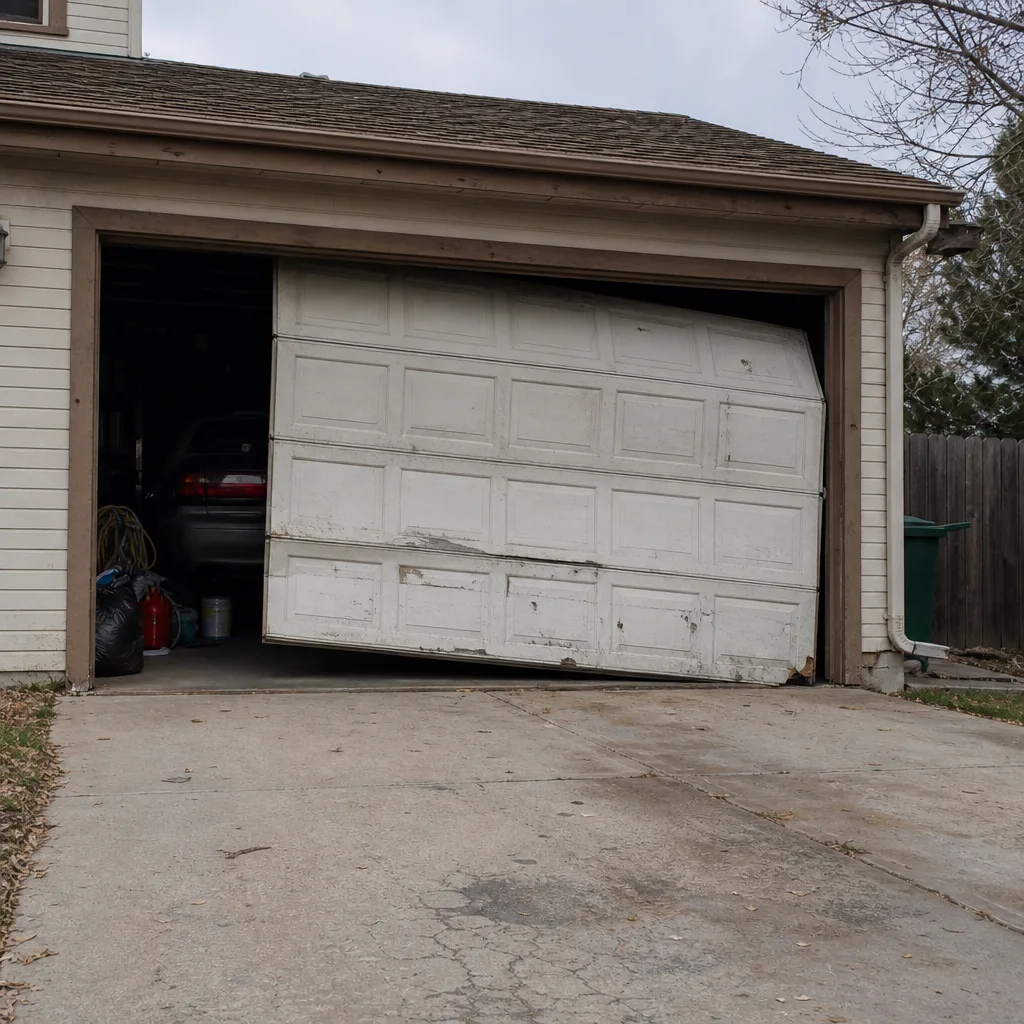 Before
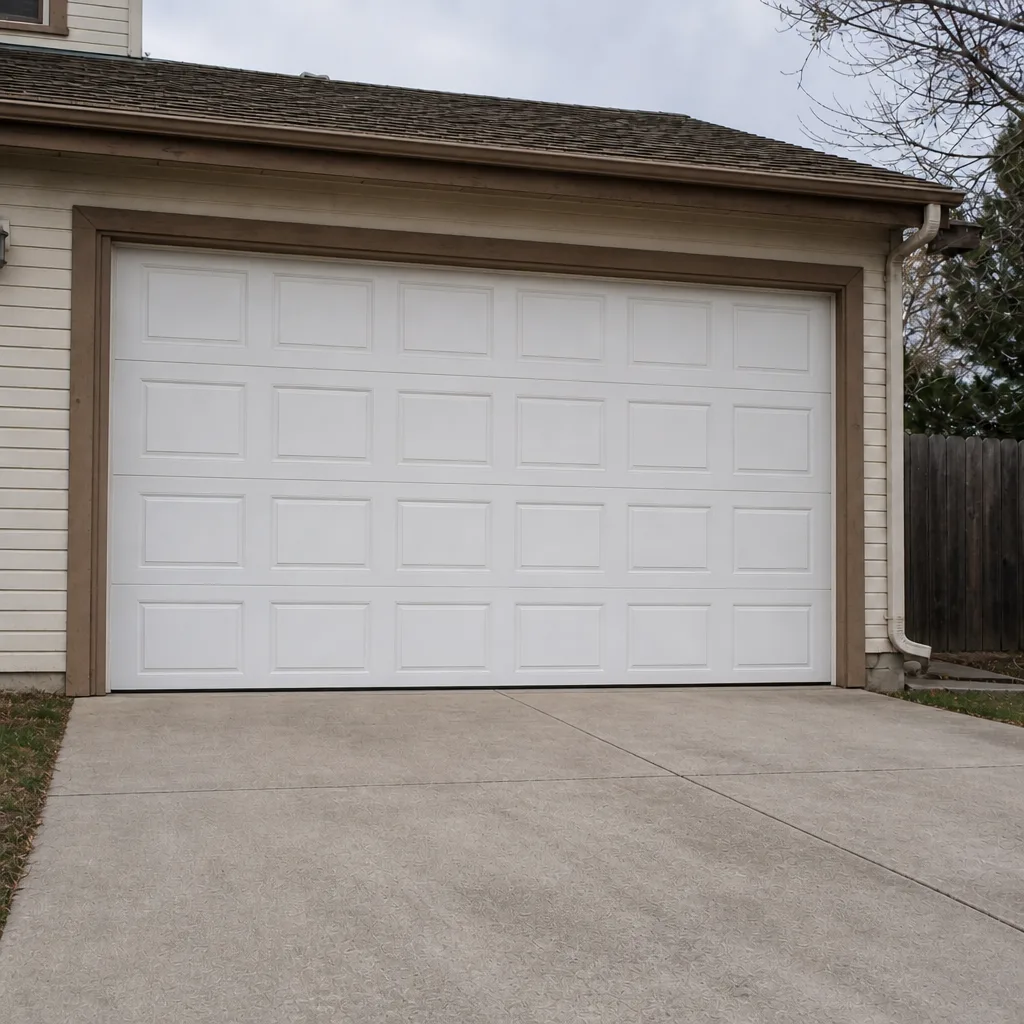 After
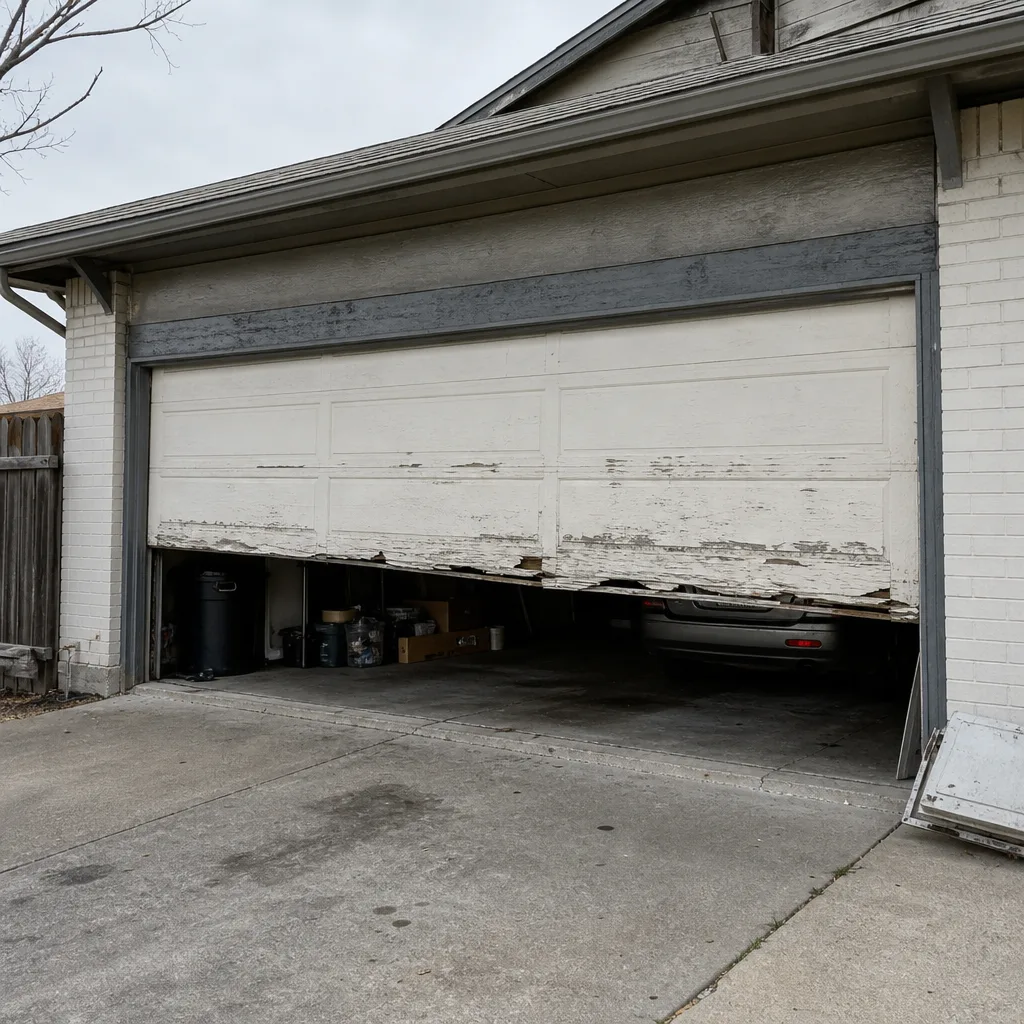 Before
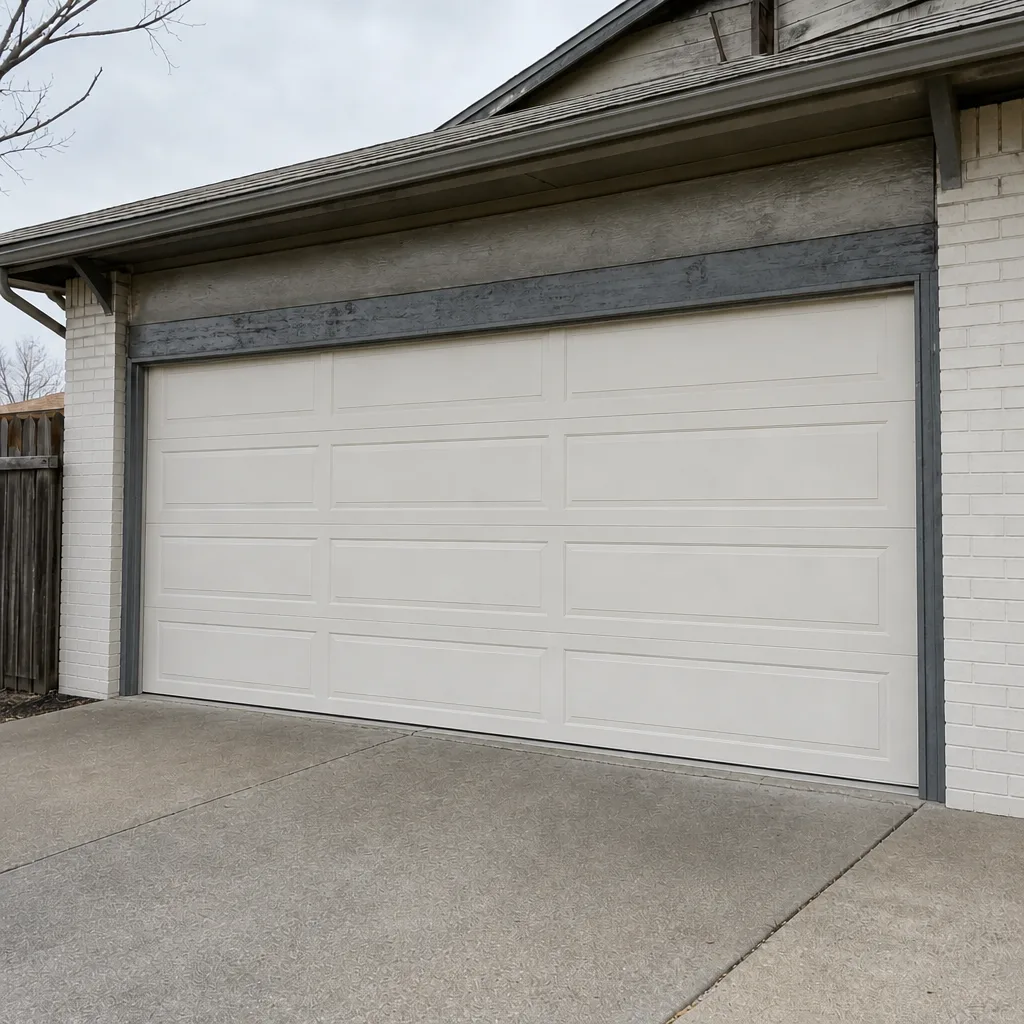 After
When to Call a Professional
Call a professional the moment you see any of the three stop-using signs – a spring gap, a cable off the drum, or a door off its track. Call when the door won’t open at all, especially if your car is trapped inside. Call when a grinding, binding, or slowdown symptom has lasted more than a few days or is getting worse, and call before you try any repair that involves the springs or the opener’s internal parts. If you’re not sure, call anyway and describe what you’re seeing – a short conversation usually settles it. Commerce City Garage Door Repair Co offers free estimates in Commerce City. Call (855) 337-1961 and we’ll help you sort a real problem from a seasonal one before your routine gets disrupted. For urgent situations, our emergency garage door service is available when the door can’t wait.
Frequently Asked Questions
A change in noise is usually the earliest sign – a duller or louder sound than normal, a squeal, or a grind that appears during travel. It’s often a dry roller or worn hinge before it’s anything structural, which is why a quick listen and a weekly look catches most small issues early.
A broken spring shows a clear, visible gap in the coil – that’s a stop-using sign. A worn spring doesn’t show a gap; instead the door feels heavier, moves slowly, or the opener strains to lift it. If you see a gap, don’t operate the door. Call (855) 337-1961 for a free estimate.
Cool temperatures thicken lubricant and tighten metal slightly, so a door can sound louder and move slower for the first few cycles of the day. If it smooths out as the day warms, it’s almost always temperature. If the noise persists into the afternoon, it’s likely a real hardware issue worth scheduling.
Our emergency garage door service is designed for exactly that situation – call (855) 337-1961 and we’ll book you as quickly as we can. If your car is trapped inside or you’ve spotted a spring gap or cable off the drum, don’t force the door in the meantime. Leave it where it is and call.
No surprise numbers. We quote the repair and agree the price with you before any work starts, so the written estimate is what you’ll pay. Call (855) 337-1961 for a free estimate and a clear answer on your door’s condition.
The local technician we connect you with is licensed and insured as their state requires. We’re certified to service eight of the most widely installed door and opener brands, including LiftMaster and Chamberlain, and our technicians have up to 15 years of experience handling repairs from springs to smart openers.
The Bottom Line
Warning signs are only useful if you know how urgently to act on each one. A grinding noise might be a dry roller or an opener gear nearing failure – and in Commerce City’s temperature swings, some of what you hear and see is seasonal rather than structural. So separate the sound from the sight: the sound-based signs like grinding, slowdowns, and binding usually mean schedule a repair. The sight-based signs – a spring gap, a cable off the drum, a door off its track – mean stop using the door and call. Run the 30-second weekly check to catch changes early, respect the temperature patterns that create false alarms, and when in doubt, get a professional opinion. A short call now beats a trapped car later.
Commerce City Garage Door Repair Co handles repair, opener service, spring repair, and full installation – one call, full solution, whatever your door’s make or condition. Call (855) 337-1961 for a free estimate and get your routine back up and running.
Written by the team at Commerce City Garage Door Repair Co.