Last updated November 23, 2026
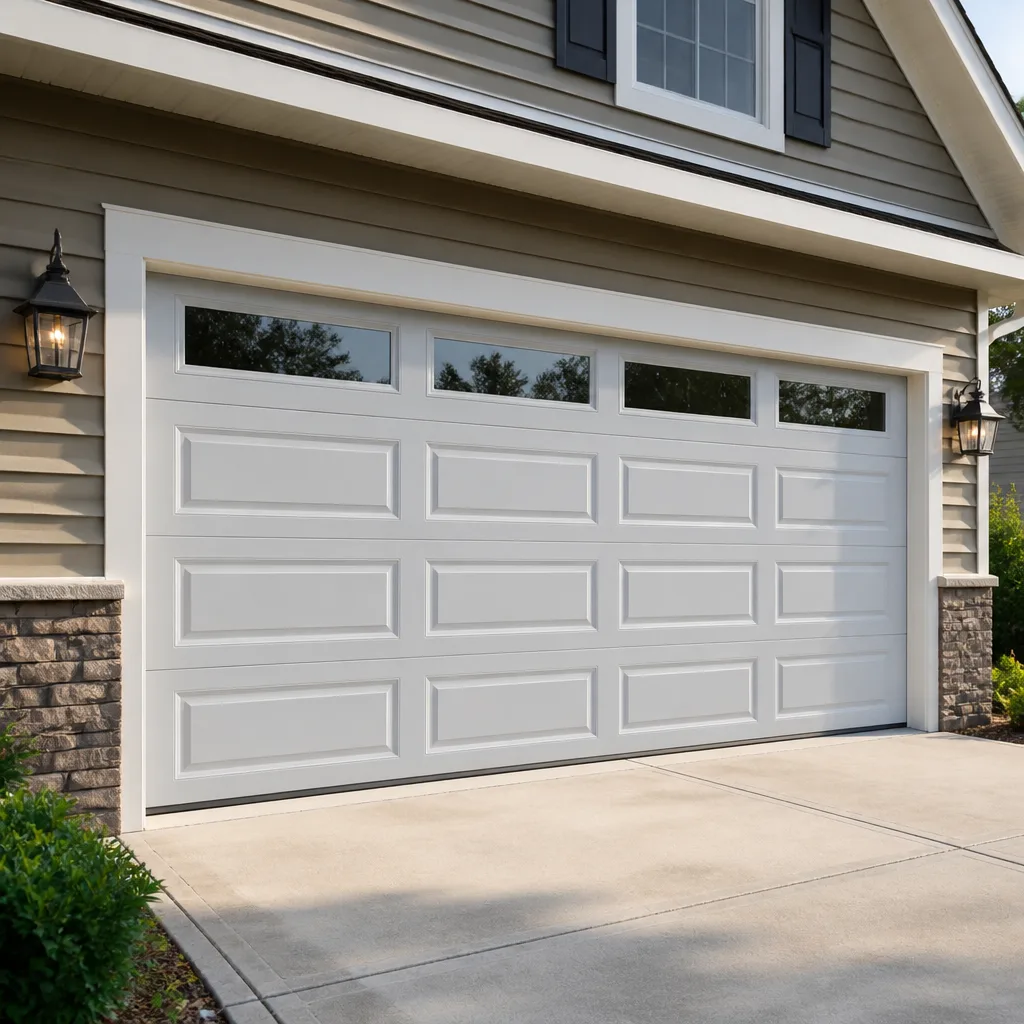 Raised-panel steel
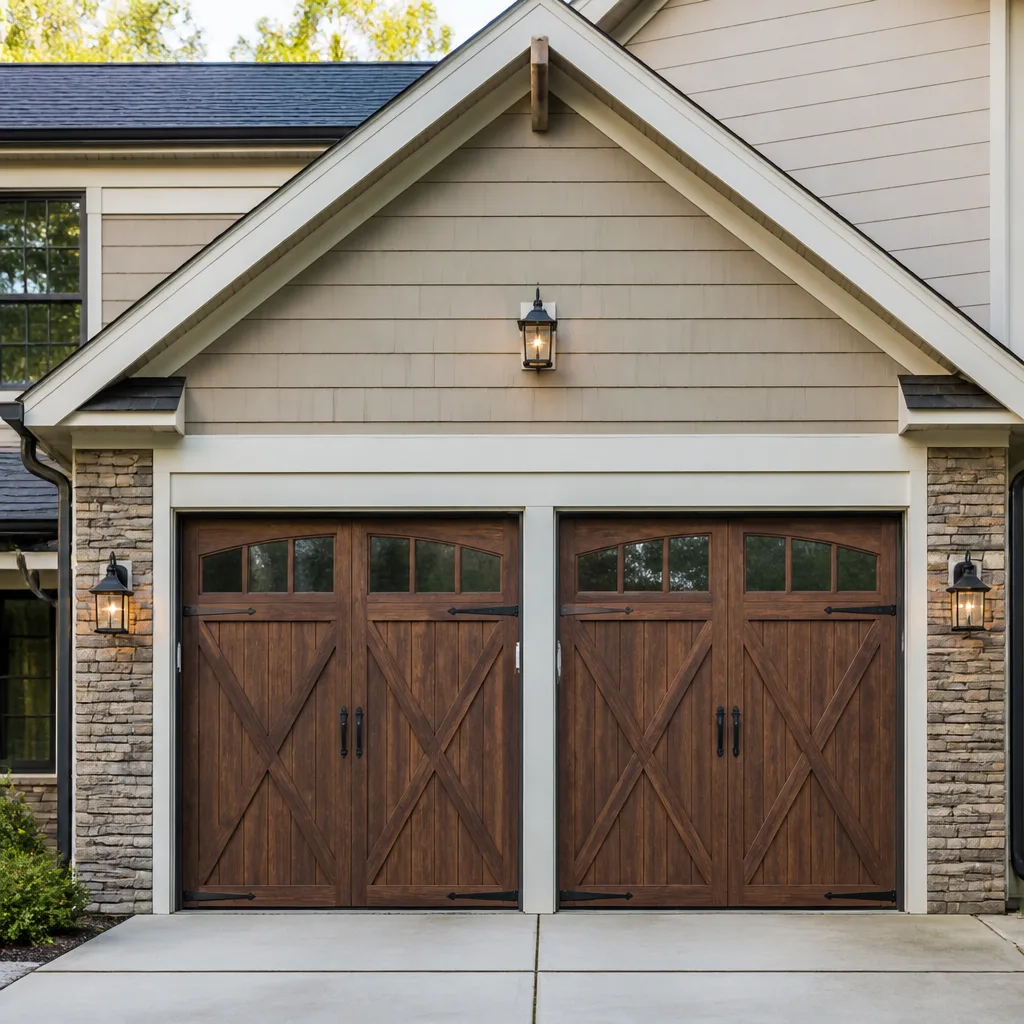 Carriage house
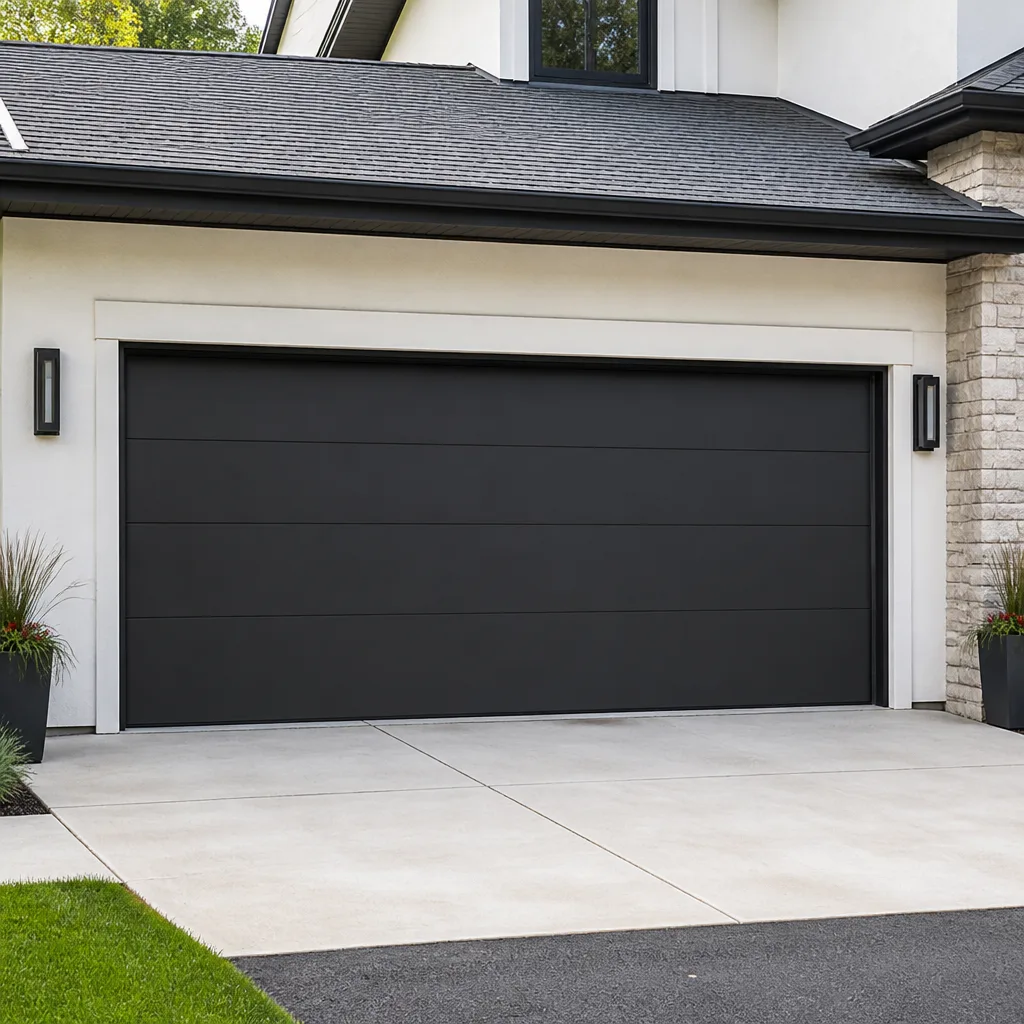 Modern flush
 Full-view glass
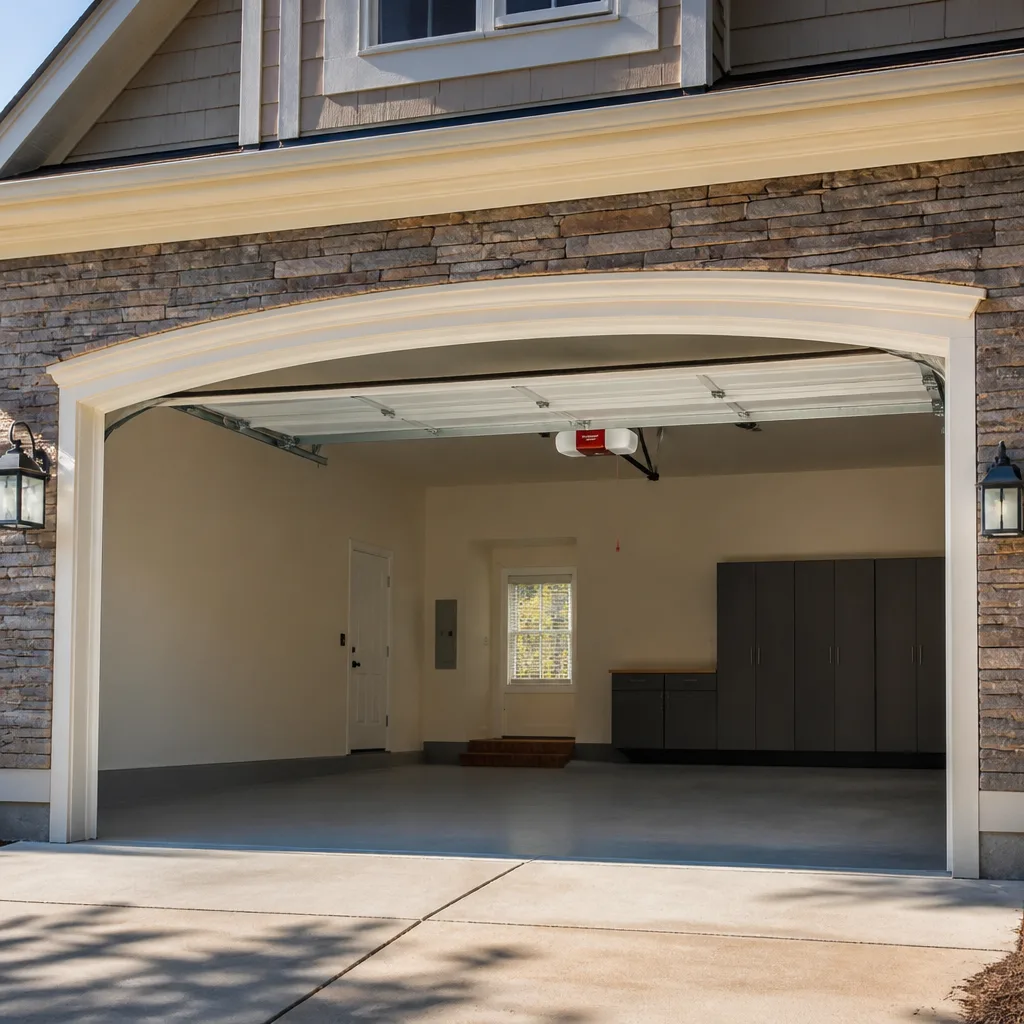 LiftMaster openers
 Chamberlain openers
Full 25-point door and opener safety check with every visit - springs, cables, rollers, tracks, and your LiftMaster or Chamberlain opener included
You get a price before we start. It does not change when the pro arrives.
Get your free estimateGarage Door Repair Maintenance Checklist for Commerce City Homeowners
Most maintenance checklists tell you to “inspect your springs,” which is about as helpful as telling someone to “check the engine.” What does a healthy spring look like? What does a failing one sound like? At what point does looking turn into touching, and touching turn into a hospital visit? This guide skips the vague advice and gives you a task-by-task checklist with actual pass/fail criteria. You’ll learn which parts get silicone spray and which get white lithium grease, which parts get nothing at all, how to test your safety reverse in under three minutes, and exactly where the do-it-yourself line sits in Commerce City.
Quick Answer
A garage door maintenance checklist for Commerce City homeowners should cover eight core tasks: a visual spring inspection, a balance test, a photo-eye alignment check, an auto-reverse test with a 2×4, hinge and roller lubrication, a track wipe-down, a weather seal check, and a listen-for-noise pass. The full routine takes about 30 minutes, needs no tools beyond a screwdriver, a rag, and two lubricants, and should be repeated once in late September before the first Front Range freeze and once in spring. Anything involving springs, cables, or the torsion assembly is a stop sign: those parts are under extreme tension and belong to a trained technician.
Styles & brands we work with
- Raised-panel steel
- Carriage house
- Modern flush
- Full-view glass
- LiftMaster openers
- Chamberlain openers
Table of Contents
- The Task-by-Task Checklist with Pass/Fail Criteria
- Lubrication: Silicone Spray vs. White Lithium Grease
- Testing Auto-Reverse and Photo-Eye Alignment in Under Three Minutes
- Why Late September Is the Commerce City Maintenance Window
- The Stop-Here List: Tasks That Look Simple but Aren’t
- Seasonal Maintenance by Front Range Weather Pattern
- How Often to Run the Full Checklist
- Common Mistakes to Avoid
The Task-by-Task Checklist with Pass/Fail Criteria
Here’s the full routine, written as eight numbered tasks so you can work down the list in order. Each one has a clear pass condition and a clear fail condition. If a task fails, note it and move on; a single fail doesn’t mean you stop the whole inspection, but a spring or cable fail does mean you stop using the door until a technician looks at it.
- Visual spring inspection. Stand at the front of the door and look up at the torsion bar (the horizontal shaft above the door) or the two extension springs along the tracks, depending on your door’s design. Pass: springs are straight, evenly wound, with no visible gap. Fail: a visible gap in a torsion spring, a stretched extension spring that has lost its coil shape, or a spring hanging loose. A broken spring usually makes a loud bang when it goes and leaves the door heavy. Stop using the door and call for spring repair.
- Balance test. Close the door, then disconnect the opener using the release cord (pull down and toward the door). Lift the door by hand to about halfway and let go. Pass: it stays put and moves smoothly with one hand. Fail: it drops, needs two hands, or feels jerky. That points to a spring, cable, or roller problem.
- Roller and hinge inspection. Pass: rollers spin freely, no flat spots, hinges not bent or worn to a sharp edge. Fail: a roller that won’t turn or a hinge that’s cracked, both of which wear the track and stress the opener.
- Track wipe-down. Run a damp rag along the inside of each track. Pass: the rag comes up with dust and the tracks feel smooth. Fail: hard grit, rust spots, or a track that’s visibly bent or out of plumb. Never lubricate the tracks; they’re meant to stay dry so the rollers can roll rather than slide.
- Hinge and roller lubrication. Pass: a light coat of white lithium grease on the hinge pivot points and a silicone spray on the roller stems. Fail: grinding or squealing when the door moves. We’ll cover the two-lubricant rule in the next section.
- Photo-eye alignment test. The two small lenses near the bottom of each track should be facing each other, clean, and the indicator light on each should be steady. Pass: solid light on both. Fail: blinking or dark. A blink almost always means misalignment or an obstruction; wipe the lenses and check that nothing (a broom, a recycling bin, a snow shovel) is blocking the beam.
- Auto-reverse test with a 2×4. With the door open, lay a scrap of 2×4 flat on the floor in the door’s path and close it. Pass: the door reverses on contact with the wood. Fail: it presses down or stops. This is the safety feature most worth checking, and it’s the one homeowners skip.
- Weather seal and bottom seal check. Pass: the bottom rubber seal sits flat on the floor with no light showing underneath, and the side seals hug the door. Fail: daylight, tears, hardening, or a seal that’s pulling away. In Commerce City, wind-driven grit and freeze-thaw cycles dry out bottom seals faster than most homeowners expect.
Lubrication: Silicone Spray vs. White Lithium Grease
The two-lubricant rule is simple: white lithium grease on moving metal-to-metal pivot points, silicone spray on the parts that need to slide quietly, and nothing at all on the parts that need friction to work. Getting this wrong is one of the most common reasons a door starts running rough.
What gets white lithium grease
- Hinge pivot points (one short spray per hinge, front and back of the pivot)
- The bearing plates at each end of the torsion bar, if your door has a torsion setup
- The opener’s rail, if the manufacturer’s manual calls for grease rather than a dry lubricant; check the manual first, since some LiftMaster and Chamberlain rails are designed to run dry
What gets silicone spray
- Roller stems (the metal shaft through the center of each roller; not the roller wheel itself)
- Lock cylinders and the manual release mechanism
- Any nylon roller surface that squeaks; silicone is safe on nylon where grease can attract grit
What never gets lubricated
- The tracks. Grease in a track collects dust and grit, then the rollers slide instead of roll, and the whole door runs heavier. Wipe them clean with a dry or slightly damp rag, period.
- The bottom weather seal. Petroleum-based lubricants degrade the rubber and shorten its life. If it’s sticking, clean it and replace it rather than greasing it.
- The torsion spring coils. Springs are not a lubrication point; applying grease or spray to a tensioned spring is dangerous and does nothing useful.
We’ve seen doors in Commerce City where a homeowner greased every track and hinge, then wondered why the opener started straining. It’s a five-minute fix to clean the tracks and re-lubricate correctly. If your opener is straining even after a proper lube routine, that’s a signal to look at garage door opener repair rather than keep adjusting things by hand.
Testing Auto-Reverse and Photo-Eye Alignment in Under Three Minutes
These two safety features are the ones most worth checking and most often neglected. You need a scrap of 2×4 and a dollar bill. Here’s how to run both tests in under three minutes.
The 2×4 auto-reverse test
- Open the door fully with the opener.
- Lay a scrap of 2×4 flat on the floor directly in the center of the door’s path.
- Press the close button and watch. The door should contact the wood and reverse within about two seconds of contact.
- If it presses down on the wood or stops without reversing, the force setting is too high or the limit switch is out of adjustment. On a LiftMaster or Chamberlain unit, force adjustment is a small dial or screw on the back of the motor housing; on a Genie or Craftsman, it’s usually under a light cover. If you’re not sure which is which, stop and call a technician. Getting the force setting wrong can turn a safety feature into a hazard.
The dollar-bill photo-eye test
- With the door open, hold a dollar bill vertically between the two photo-eye lenses.
- The indicator light on the receiving lens should blink or the door should refuse to close while the bill is in the beam.
- Remove the bill. The light should return to solid and the door should close normally.
- If the light never changes, the lenses are misaligned, dirty, or wired wrong. Wipe both lenses first, then check alignment: each lens should be pointing straight across at the other, with no tilt up or down.
If either test fails twice in a row after you’ve cleaned the lenses and cleared the path, don’t leave the door in service and don’t prop the door open. A garage door that won’t reverse on contact is the number one reason we get called out on an emergency basis, and it’s worth handling before someone gets hurt. For doors already in trouble, our garage door repair service starts with a free estimate so you know where you stand before any work begins.
Why Late September Is the Commerce City Maintenance Window
Garage door maintenance on the Front Range is not a year-round task. It’s seasonal, and the single most useful maintenance window in Commerce City is late September, before the first hard freeze. The reason is freeze-thaw cycling: when the temperature swings above and below 32°F repeatedly, moisture works its way into every gap in the door and its hardware, freezes, expands, and then thaws. That cycle loosens hinge screws, dries out bottom seals, and stresses the metal around the spring assembly. Doing your checklist in late September means the door is already tuned up when the first cold snap arrives, rather than needing attention in the middle of one.
Here’s how the Commerce City calendar usually goes and what to check when:
- Late September (primary window): Run the full checklist. Replace the bottom seal if it’s due. Tighten hinge screws. Check the balance test while the weather is still mild and it’s comfortable to work with the door open.
- November through February: Limit yourself to the photo-eye and auto-reverse tests plus a visual check. Cold weather makes springs brittle, and this is when a worn spring tends to finally let go. If a spring breaks in the middle of a snowstorm, that’s an emergency service call, not a do-it-yourself job.
- April (secondary window): Run the full checklist again. Winter has done its wear; spring is when you catch grit in the tracks, seal damage from ice, and any screws that worked loose over the winter.
- Mid-summer: A quick balance test and a lubrication top-up. Summer heat on the Front Range can dry out rubber seals and make older metal rails expand a little, and the door may start to sound noisier than usual.
The raw weather matters here. Commerce City gets cold winters, hot dry summers, and notorious wind. Wind-driven dust is the reason we recommend a track wipe-down more often than a generic maintenance chart suggests; grit accumulates in tracks faster here than in most of the country. Late September is also the smart time to schedule a technician visit if you’d rather have a pro handle the full inspection, since the work is straightforward and there’s no rush. Anyone planning a full replacement instead should be looking at garage door installation before the cold sets in, since measuring and ordering a new door is a scheduled job, not a same-day one.
The Stop-Here List: Tasks That Look Simple but Aren’t
Some garage door tasks look like simple maintenance but have sent homeowners to the emergency room. Springs and cables are under extreme tension, and a torsion spring can hold enough force to cause serious injury if it releases unexpectedly. Here’s the stop-here list, with a clear reason for each.
- Replacing or adjusting a torsion spring. A torsion spring on a double-car door can hold significant stored energy. The winding bars needed to work on one are a specialized tool, and an incorrectly wound spring can hurt you. Never touch a spring, even one that looks loose. The only correct action is to stop using the door and call a technician who handles spring repair as a specialty.
- Tightening or adjusting a cable. Cables are tensioned alongside the springs and are equally dangerous to handle. If a cable looks slack, frayed, or has come off its drum, stop.
- Adjusting the opener’s force or limit settings if you’re not sure which screw is which. Getting these wrong can disable the auto-reverse feature, which is exactly the safety function you were testing for.
- Replacing the photo-eye sensors or the wiring. The low-voltage wiring is safe to touch, but a sensor that’s wired wrong means the door won’t close, and a door that won’t close is usually a door you’ll try to force. Let a technician wire it correctly.
- Replacing a door panel or section. A panel that’s become separated from its hinges has stored spring tension trying to collapse it. Replacing a section on a residential door requires handling that tension safely.
- Replacing the opener’s drive gear or logic board. The opener’s internals are not a homeowner job, and the correct part varies widely across brands. Our technicians service LiftMaster, Chamberlain, Genie, Clopay, Amarr, Wayne Dalton, Craftsman, and Raynor equipment and know the differences.
In our experience, the accidents happen when a homeowner decides to “just check” a spring. A glance from a safe distance is the correct move. Anything closer is not maintenance; it’s a hazard. If you’re unsure whether something falls on the stop list, the safest answer is to call for a free estimate and let a technician look.
Seasonal Maintenance by Front Range Weather Pattern
Commerce City’s weather doesn’t just need a maintenance schedule; it needs a maintenance plan that respects what each season does to a door. Here’s the meaningful seasonal breakdown, organized by what each part is exposed to and what usually goes wrong.
Winter: the freeze-thaw test
Repeated freeze-thaw cycles are the biggest single source of wear on a door in Commerce City. Ice finds every gap: under the bottom seal, along the side weatherstripping, and into the hinge gaps. What matters in winter is keeping moisture out and keeping the door moving smoothly, because a door that hesitates on a frozen morning puts extra load on the springs. Check the bottom seal after each hard freeze for tears, and confirm the door still balances. Don’t lubricate in freezing weather; lubricants thicken and the door runs worse.
Spring: the thaw and grit check
As the ground thaws and the first winds pick up, grit gets blown into the tracks and accumulates. This is the time for the full track wipe-down, a full lubrication pass, and a close look at hinge screws. Hinge screws worked loose over the winter are a common find in spring inspections, and a loose hinge pushes the rollers offline, which wears the track.
Summer: heat and dry rubber
Commerce City summers are hot and dry, and the effect on a garage door is mostly on the rubber and the seals. Bottom seals harden and lose their flexibility, and weatherstripping can crack. A quick check that the door still seats evenly on the floor, plus a top-up on silicone spray for the roller stems, keeps the door running quietly.
Fall: the primary window
As noted, late September is the main maintenance window. It’s the last comfortable stretch before the freeze and gives you time to replace a failing bottom seal, book a technician if a spring or cable looks bad, and run the auto-reverse and photo-eye tests for the season. If you’re planning any larger work, this is also the smart time to think about a new door. Manufacturers like Clopay and Amarr publish lead times that stretch in the fall, so getting measured and ordered early beats a December surprise.
How Often to Run the Full Checklist
The short answer: twice a year for the full checklist (late September and April), plus a quick safety-only pass (auto-reverse and photo-eye) once a month. That schedule is based on how garage doors actually wear on the Front Range, not on a generic maintenance chart.
Here’s the schedule we recommend, broken down by what each pass covers:
| Pass | Frequency | What’s Covered |
|---|---|---|
| Full checklist | Twice a year (late September and April) | All eight tasks above, including balance, lubrication, and seal check |
| Safety-only pass | Monthly | Auto-reverse test and photo-eye alignment |
| Visual spring and cable check | Every few weeks, from a safe distance | No touching, just a look |
| Professional inspection | Any time a task fails, or before a replacement decision | A technician checks tension, balance, and the full assembly |
If your door is more than a decade old, or the brand is one that’s no longer supported (some older Craftsman and Genie models come to mind), a professional inspection is worth fitting in even if nothing seems wrong. A technician can flag a spring that’s about to fail before it does, which is a lot easier to deal with than a door that won’t open when the car is trapped inside.
Typical maintenance and repair price ranges in the Commerce City market, so you know what to plan for: spring repair generally runs $180 – $340 per spring, and because most doors use a matched pair, expect roughly double that for a pair. A tune-up or maintenance visit runs in the $80 – $160 range. Opener repair runs $100 – $250. Bottom seal replacement is typically $60 – $150. Panel or section replacement usually starts around $150 – $400 depending on the section. These are typical estimates, not a fixed quote; the written estimate sets the final price, and we quote and agree the price with you before any work starts. Anybody who gives you a firm price over the phone without seeing the door is guessing, and you should treat it as such.
Common Mistakes to Avoid
- Greasing the tracks. This is the single most common maintenance error. Grease collects grit, the rollers stop rolling, and the door runs heavier than before you lubricated it. Tracks are dry by design; wipe them, don’t grease them.
- Touching a spring “just to check” if it’s bent or loose. Never handle a torsion spring or a cable. A spring that looks loose is still storing dangerous energy. Look from a safe distance and call a technician. Springs are not a do-it-yourself repair.
- Skipping the auto-reverse test because the door “seems fine.” The whole point of a safety test is that the failure is invisible until someone is hurt. Run the 2×4 test monthly. It takes a minute and it’s the most important check on the list.
- Using the door on a broken spring. Running the opener with a broken spring drags the whole assembly and can damage the opener motor and the door panels, and it’s dangerous. Stop and call for spring repair.
- Forgetting the bottom seal after a freeze. A bottom seal that’s cracked or hardened lets wind, water, and grit into the garage, and in Commerce City it’s the first thing to fail after a hard freeze. Check it after every cold snap.
- Putting off a technician visit because the door still opens. A door that works but is unbalanced, noisy, or hesitating on the open is wearing out its springs, rollers, and opener at an accelerated rate. An early call is usually less expensive than a late one.
- Assuming any opener brand is the same to fix. Older Craftsman and Genie units and newer LiftMaster and Chamberlain myQ openers have quite different wiring and setup. A technician familiar with the brand diagnoses faster; a general handyman usually doesn’t.
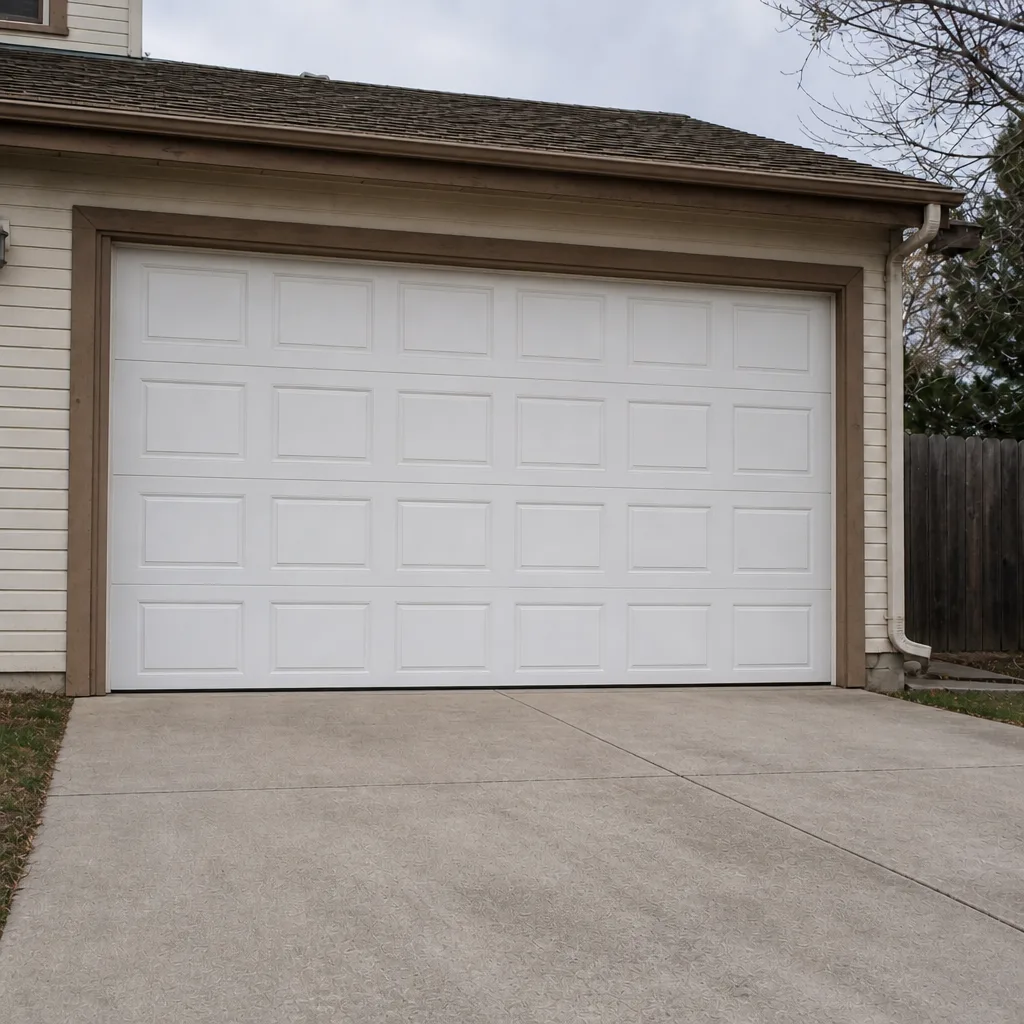
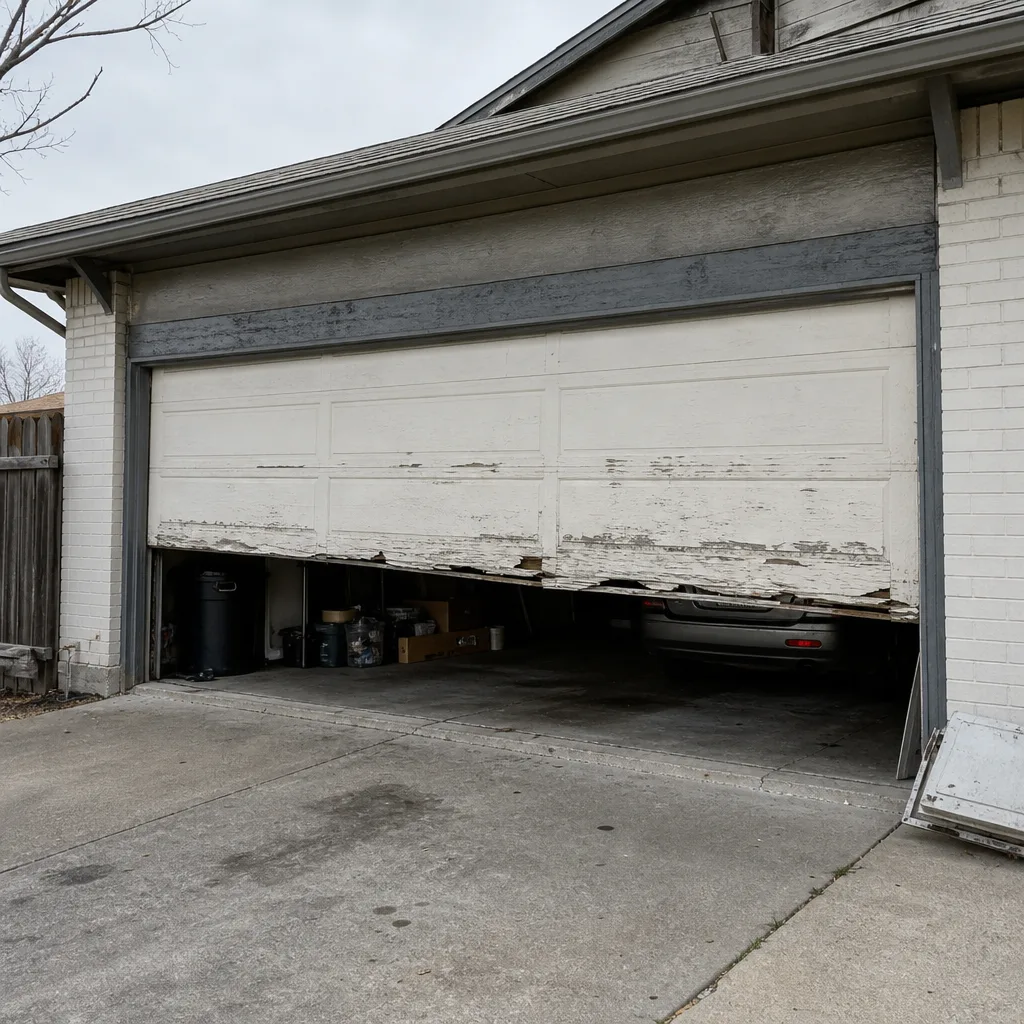
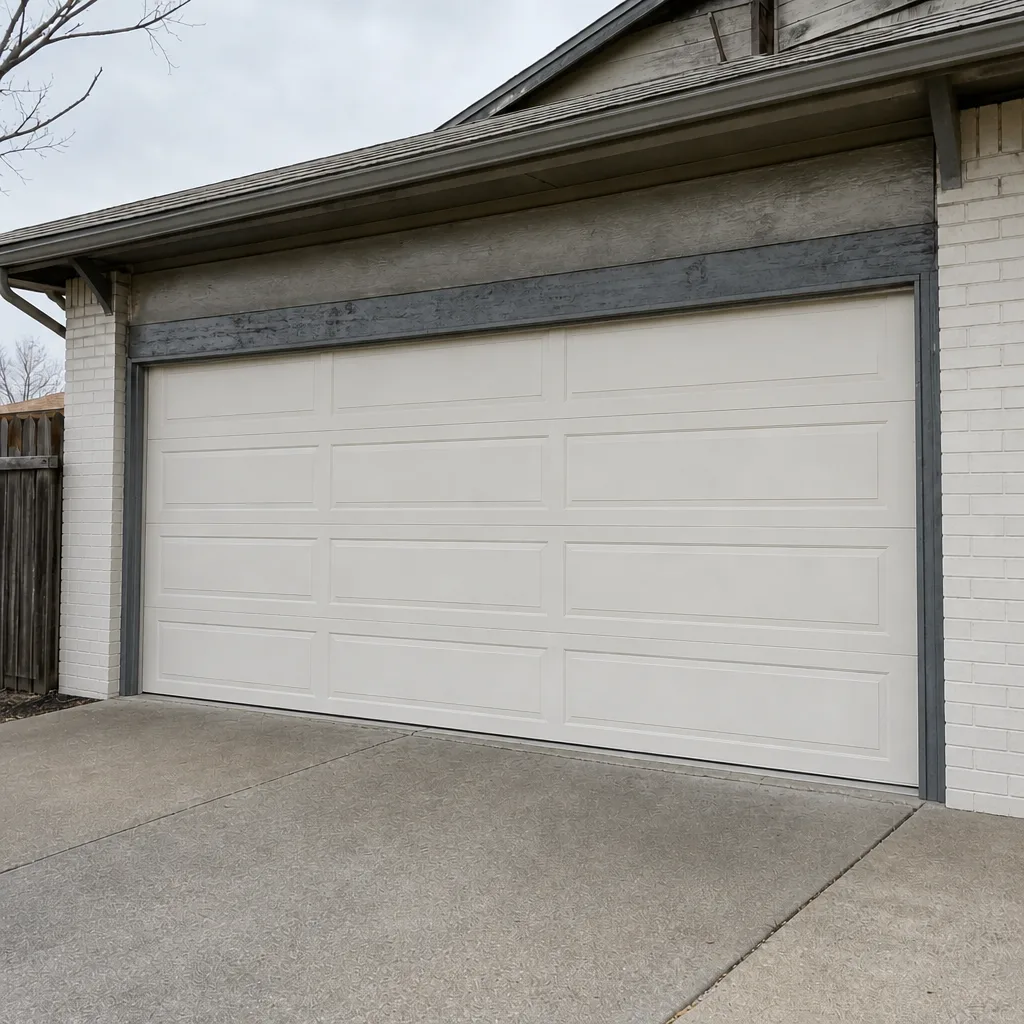
See the difference
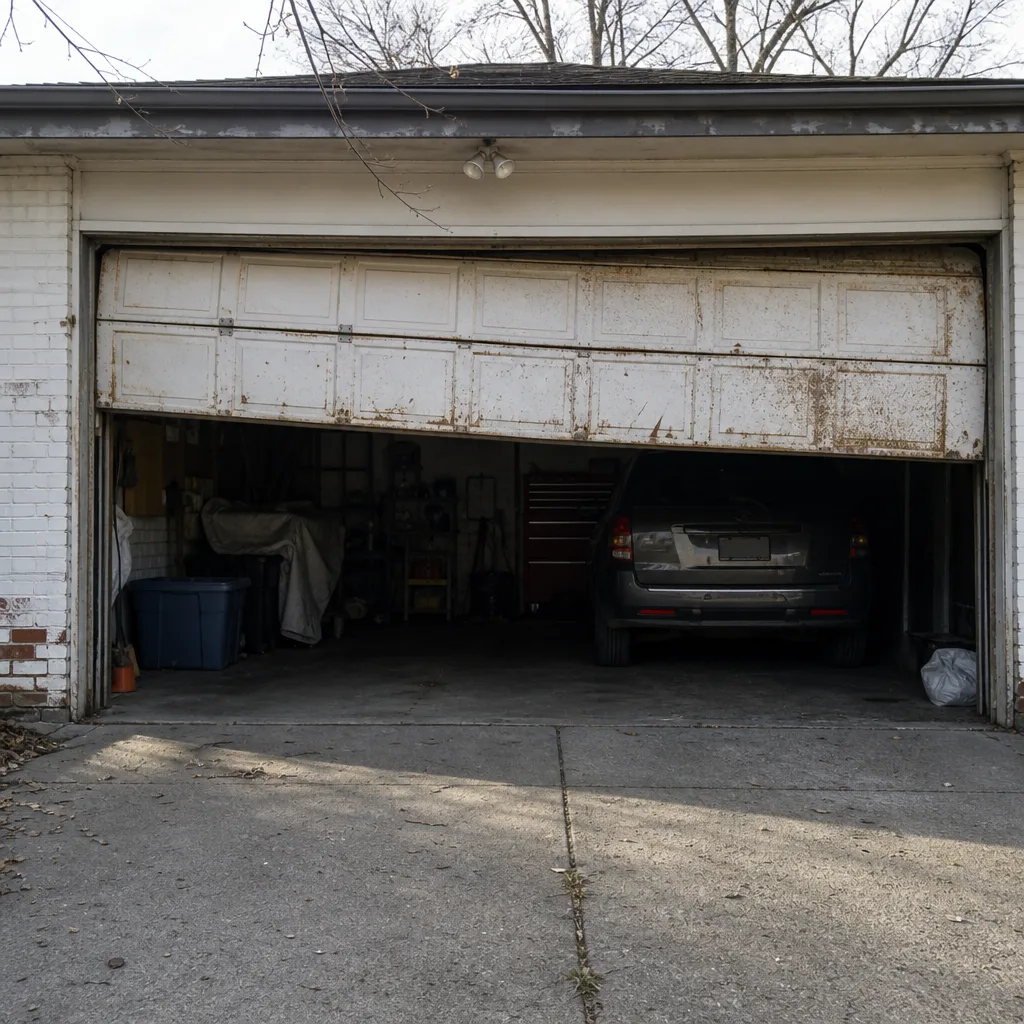 Before
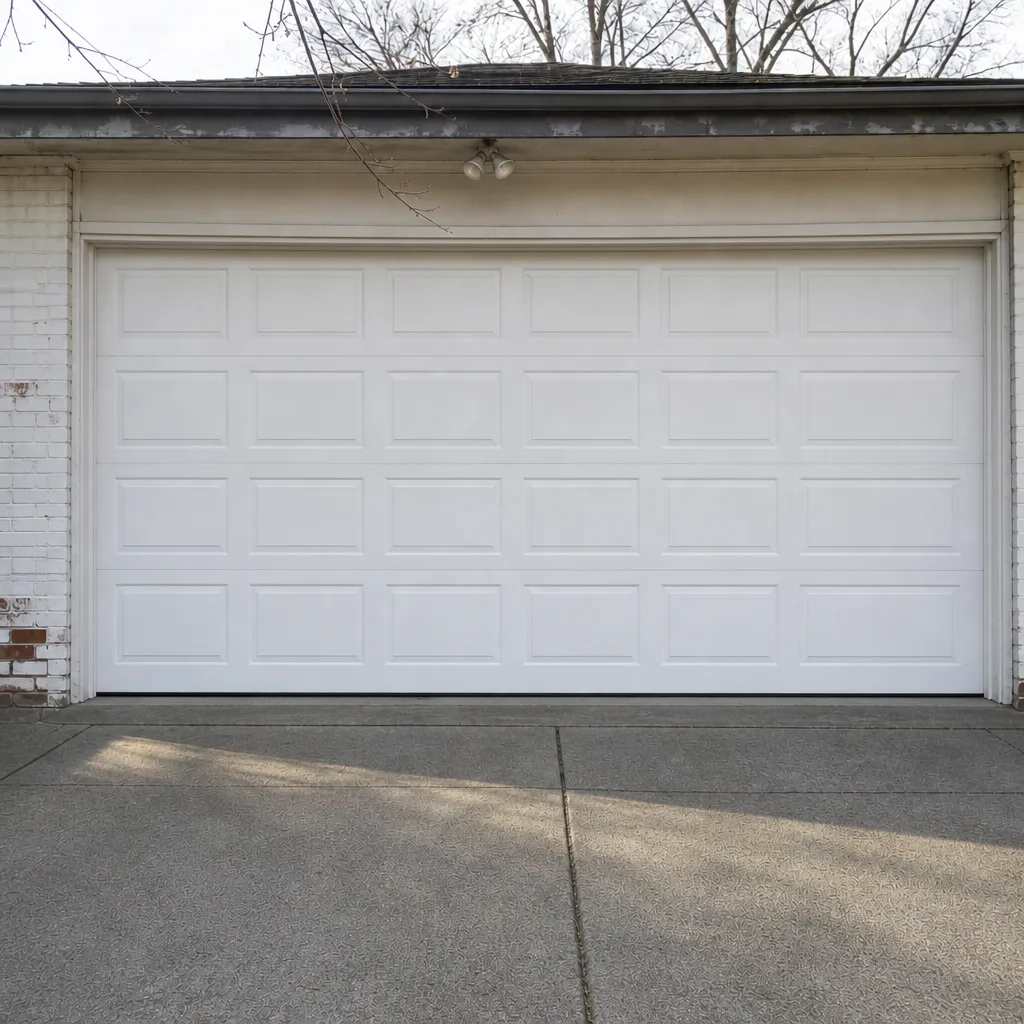 After
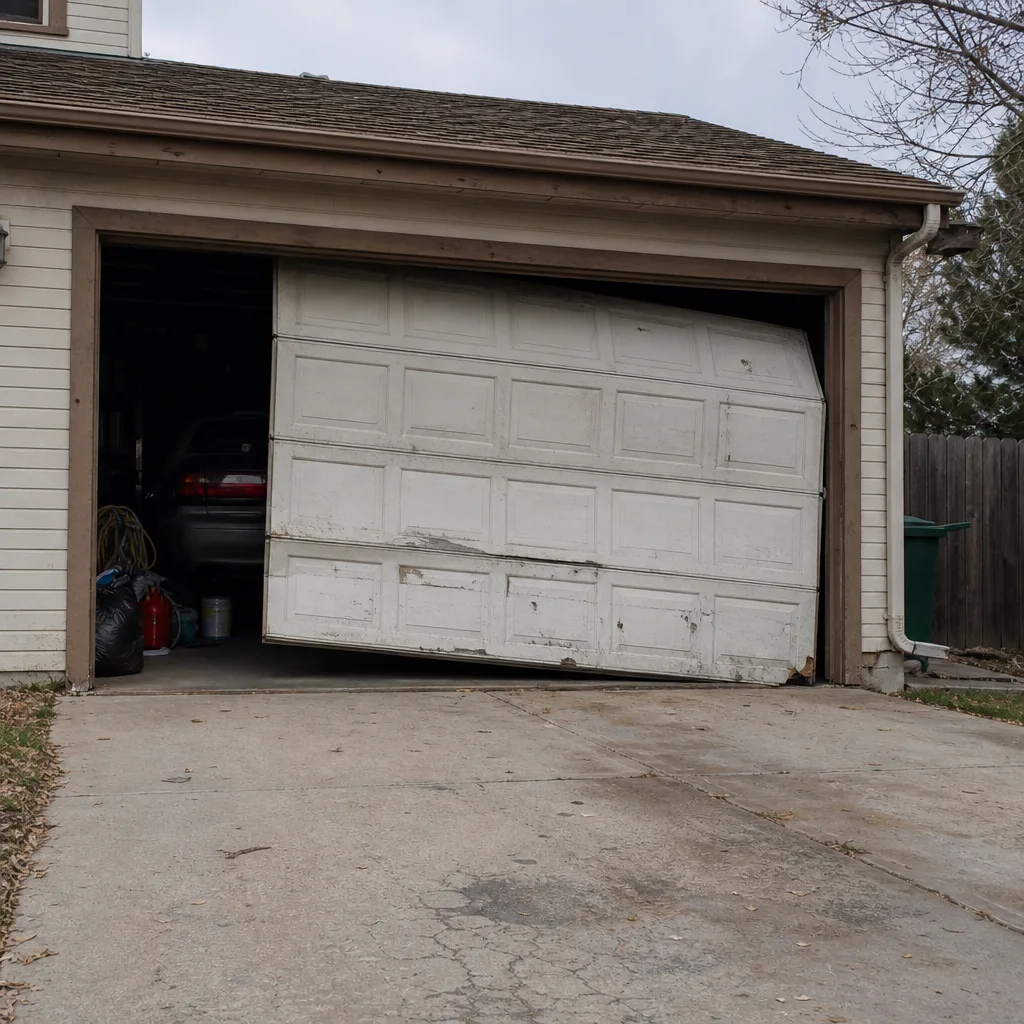 Before
 After
 Before
 After
When to Call a Professional
Call a professional if any of the following is true: the door won’t reverse on the 2×4 test, a spring is visibly broken or looks bent, a cable is slack or frayed, the door is unbalanced after release, or the door hasn’t been professionally inspected in many years. Also call if the opener is straining, if the door won’t open when the car is inside, or if the door has become noticeably noisy after a cold snap. Springs, cables, and opener internals are not homeowner tasks, and the risk isn’t worth it. Commerce City Garage Door Repair Co offers free estimates in Commerce City, and our technicians have up to 15 years of experience with the equipment most homes here use. Call (855) 337-1961 and we’ll get a technician out to look at it.
Our technicians service LiftMaster, Chamberlain, Genie, Clopay, Amarr, Wayne Dalton, Craftsman, and Raynor equipment, including the older mechanical units that are hard to get parts for. If the repair needs to become a replacement, we can look at that too, so you don’t have to source a second contractor. That’s the single-company approach: a technician who tells you honestly whether the door is worth repairing or ready to replace.
Frequently Asked Questions
Twice a year for the full checklist (late September and April) and once a month for the auto-reverse and photo-eye tests. Late September is the most important pass because it comes before the first hard freeze, when freeze-thaw cycling starts stressing the door. Call (855) 337-1961 for a professional inspection if you’d rather not handle the checklist yourself; estimates are free.
No. Lubricating the tracks makes the door worse, not quieter. Grease collects grit and the rollers start sliding instead of rolling, so the door runs heavier. Use white lithium grease on hinge pivots and silicone spray on roller stems, and wipe the tracks clean with a dry rag. Call (855) 337-1961 if the door is still noisy afterward; noise usually points to a worn roller or hinge, both of which a technician can sort out quickly.
Spring repair in Commerce City typically runs $180 – $340 per spring. Most doors have a matched pair, so a pair is roughly double that. The written estimate sets the final price, and we quote and agree the price before any work starts. Call (855) 337-1961 for an exact quote; estimates are free.
A failing spring often makes a loud bang when it breaks, and the door becomes very heavy to lift by hand and won’t stay open on the balance test. Before it breaks, a tired spring can make the door feel sluggish, drag at the open, or leave the opener straining. If your door suddenly feels heavier than it used to, stop using it and call (855) 337-1961 for a free estimate.
The local professionals we connect you with are licensed and insured as their state requires. Our technicians have up to 15 years of experience, and we service the major brands most Commerce City doors use, including LiftMaster, Chamberlain, Genie, Clopay, Amarr, Wayne Dalton, Craftsman, and Raynor. Call (855) 337-1961 and we’ll match you with the right technician.
Yes, for repairs and emergency failures we can often get a technician out the same day; emergency service is a core part of what we do. Spring repair and opener repair are the most common same-day fixes. New door installation is different: measuring, ordering, and fitting a new door is a scheduled job, so a free measure and a written price comes first. Call (855) 337-1961 to check availability.
The Bottom Line
A useful maintenance checklist is one you can actually carry out: eight tasks, clear pass/fail criteria, and a hard stop at anything involving springs or cables. In Commerce City, run the full checklist in late September before the first freeze and again in April, test the auto-reverse and photo-eye features monthly, and never lubricate the tracks. If a task fails, or if you’re unsure, a professional visit is the cheaper and safer option. Commerce City Garage Door Repair Co is one call for repair, spring service, opener work, and installation, from the same team that will quote the job. Call (855) 337-1961 for a free estimate, or visit Commerce City Garage Door Repair Co to get started.
Written by the team at Commerce City Garage Door Repair Co.